Growing cannabis at home has become increasingly popular, especially in places where it’s legal to do so. Whether you’re interested in cultivating your own supply for personal use or just curious about the process, growing cannabis can be a rewarding experience.
However, it requires careful planning, the right equipment, and an understanding of the plant’s needs. In this guide, we’ll cover everything you need to know about how to grow cannabis at home, including what to prepare before you start.
Understanding Legalities and Responsibilities
Before diving into the technical aspects of growing cannabis, it’s crucial to understand the legal landscape. Laws regarding home cultivation vary widely depending on your location, even within the same country.
In California, for example, adults over the age of 21 can legally grow up to six cannabis plants for personal use, as per California state law. (What’s legal and what’s not)
Check Local Laws
Always check your local laws to ensure you comply with regulations. This includes understanding the number of plants you’re allowed to grow, whether you can grow indoors or outdoors, and any zoning restrictions that might apply.
Go to check your State Laws👉https://norml.org/laws/
Consider Security and Privacy
Growing cannabis at home requires careful consideration of security and privacy. You don’t want your plants to be easily visible or accessible to others. If you’re growing indoors, ensure that your grow area is discreet.
If you’re growing outdoors, consider fencing or other barriers to protect your plants from theft.
Choosing the Right Strain
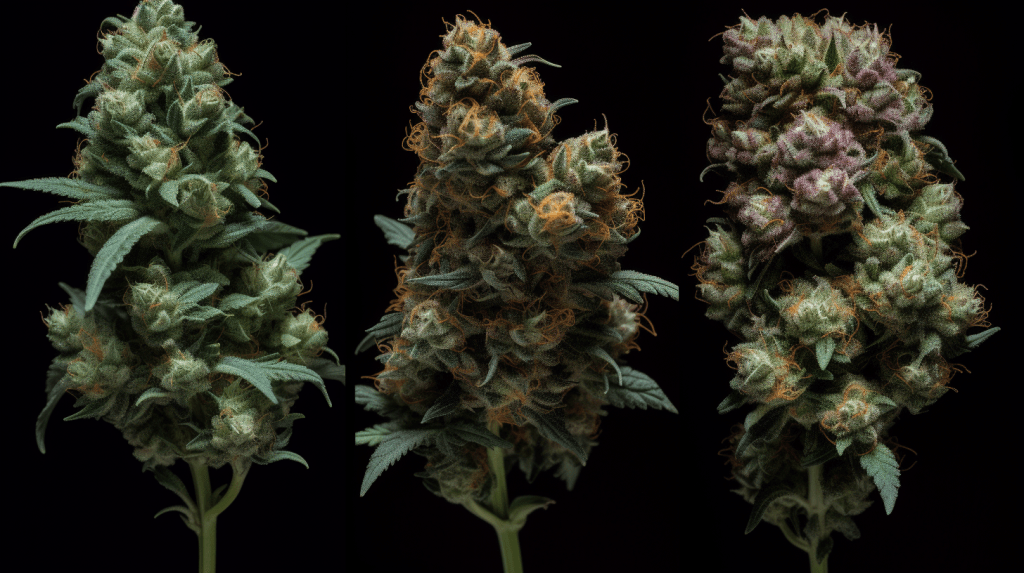
Selecting the right cannabis strain is one of the most important decisions you’ll make as a home grower.
Different strains have different growth patterns, flavors, effects, and growing requirements. Here’s how to choose the right strain for your home grow:
Indica vs. Sativa
Cannabis strains are typically categorized into three groups: Indica, Sativa, and Hybrids.
- Indica strains tend to be shorter, bushier, and have a quicker flowering time. They are often recommended for indoor grows due to their compact size.
- Sativa strains grow taller and have a longer flowering time. They are better suited for outdoor grows or indoor grows with ample space.
- Hybrid strains combine characteristics of both Indica and Sativa, offering a balance that can be tailored to your growing environment and personal preferences.
Autoflowering vs. Photoperiod
Another consideration is whether to choose autoflowering cannabis or photoperiod strains.
- Autoflowering strains automatically begin flowering after a certain period, regardless of light cycles. They are easier to grow and can be harvested more quickly, making them ideal for beginners.
- Photoperiod strains require specific light cycles to transition from the vegetative stage to the flowering stage. These strains offer greater control over the growing process but are more challenging to manage.
Setting Up Your Grow Space
Once you’ve chosen your strain, the next step is to set up your grow space. The right environment is crucial for healthy cannabis plants. Here’s what you’ll need to consider:
Indoor vs. Outdoor Growing
The first decision is whether to grow indoors or outdoors. Each option has its pros and cons. (Indoor vs Outdoor cannabis)
- Indoor Growing: Offers complete control over the growing environment, including light, temperature, humidity, and airflow. It’s more private and secure but requires a significant investment in equipment.
- Outdoor Growing: Leverages natural sunlight and is generally less expensive. However, it’s subject to weather conditions and potential pests. Outdoor growing also requires a secure, private location.
Essential Equipment for Indoor Growing
If you choose to grow indoors, you’ll need specific equipment to create the ideal environment for your plants:
- Grow Lights: LED, HPS (High-Pressure Sodium), and CFL (Compact Fluorescent Lamp) lights are popular choices. LED lights are energy-efficient and produce less heat, making them ideal for indoor grows.
- Grow Tent: A grow tent is a portable, self-contained grow space that helps control light, temperature, and humidity. It also keeps your grow area discreet and contained.
- Ventilation System: Proper airflow is essential to prevent mold and mildew. A good ventilation system includes inline fans, ducting, and carbon filters to manage air exchange and odor control.
- Soil and Containers: Choose high-quality soil designed for cannabis or a soilless medium like coco coir. Containers should have good drainage and be appropriately sized for your plants.
- Nutrients: Cannabis plants require specific nutrients at different growth stages. Invest in a good nutrient system tailored for cannabis, including a balanced N-P-K (Nitrogen, Phosphorus, Potassium) ratio.
- Thermometer and Hygrometer: Monitoring temperature and humidity is crucial. Cannabis thrives in temperatures between 70-85°F during the day and 58-70°F at night. Humidity should be around 40-60% during the vegetative stage and 40-50% during flowering.
Read more: How to Start Growing Weed at Home Part 1: Preparation
The Growing Process: From Seed to Harvest
Now that your grow space is set up, it’s time to start the growing process. Here’s an overview of the key stages:
1. Germination
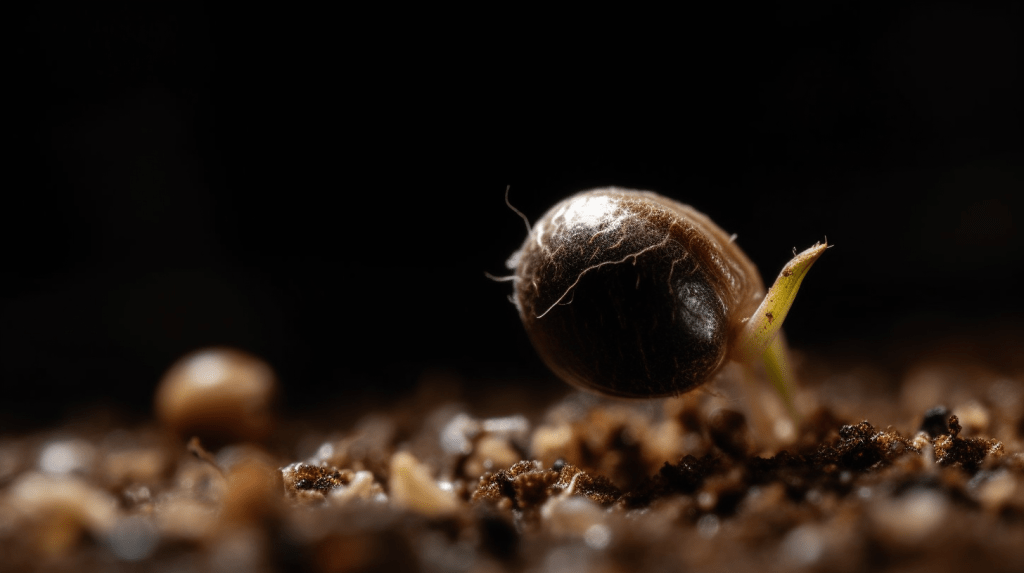
Germination is the process of sprouting seeds. Start by soaking your seeds in water for 12-24 hours, then place them in a moist paper towel or directly into your growing medium. Keep them warm and moist until they sprout.
2. Vegetative Stage
During the vegetative stage, your cannabis plants will focus on growing leaves and stems. This stage requires 18-24 hours of light per day. Ensure your plants receive enough nutrients, particularly nitrogen, to support their rapid growth.
3. Flowering Stage
The flowering stage is when your cannabis plants start producing buds. For photoperiod strains, you’ll need to adjust the light cycle to 12 hours of light and 12 hours of darkness. During this stage, reduce nitrogen and increase phosphorus and potassium in your nutrient mix.
4. Harvesting
Harvesting occurs when the trichomes on your buds are milky white with some turning amber. Cut the plants at the base and hang them upside down in a dark, cool room with good airflow to dry.
5. Curing
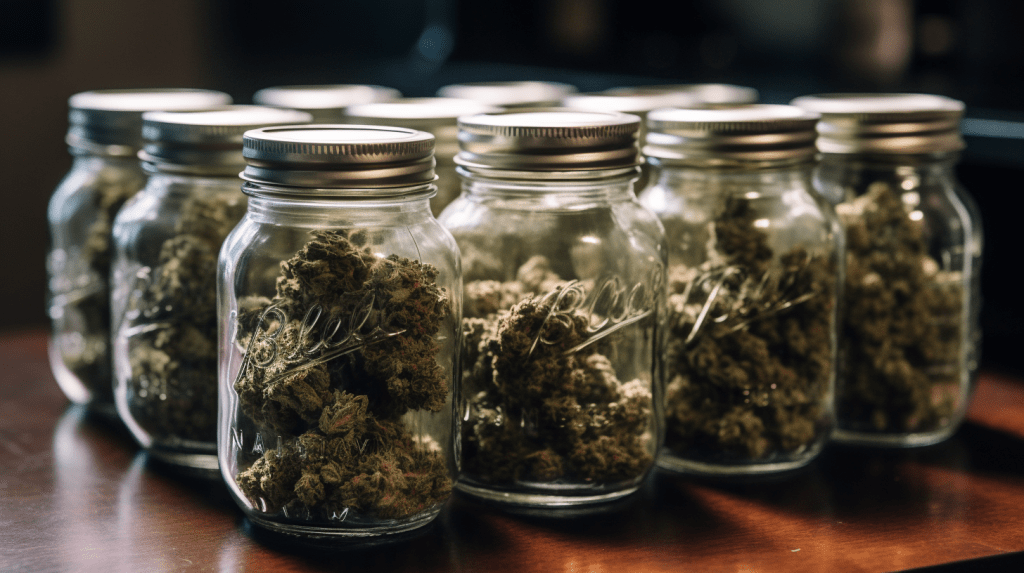
After drying, curing your cannabis enhances flavor and potency. Place the dried buds in airtight jars and store them in a cool, dark place. Open the jars daily for the first week to release excess moisture, then less frequently as they cure. ( The ultimate guide to drying and curing cannabis for the best results )
Common Challenges and How to Overcome Them
Growing cannabis at home can present several challenges. Here are some common issues and how to address them:
Pests and Mold
Pests like spider mites and mold can devastate your plants. Regularly inspect your plants, maintain proper humidity levels, and use organic pest control methods to keep these issues at bay.
Nutrient Deficiencies
Nutrient deficiencies manifest as yellowing leaves, stunted growth, or other abnormalities. Follow a nutrient schedule, adjust pH levels, and flush your plants with water if you suspect nutrient lockout.
Overwatering
Overwatering is a common mistake that can lead to root rot. Allow the top inch of soil to dry out before watering and ensure your containers have proper drainage.
Final Thoughts
Growing cannabis at home can be a fulfilling and educational experience. By understanding the legalities, choosing the right strain, setting up a proper grow space, and following best practices throughout the growing process, you can cultivate high-quality cannabis that meets your needs. Whether you’re using a stash box to store your buds or a cannabis humidor to preserve them long-term, proper care and attention will yield the best results.
Happy growing!

 CANMO
CANMO 
Leave a comment