Marijuana gummies have become a popular way to consume cannabis, offering users a discreet, flavorful, and easy way to enjoy the benefits of THC and CBD. But one question that often arises when it comes to consuming cannabis edibles, especially gummies, is: Do they make you hungry?
Many users associate cannabis with the munchies—an insatiable desire to eat everything in sight. But does this hold true for marijuana gummies, or is the effect different when ingested as an edible?
In this post, we’ll explore whether marijuana gummies can cause hunger, the science behind why cannabis can trigger the munchies, and how the effects of edibles differ from smoking or vaping cannabis. By the end, you’ll have a clear understanding of whether you should stock up on snacks the next time you reach for a marijuana gummy.
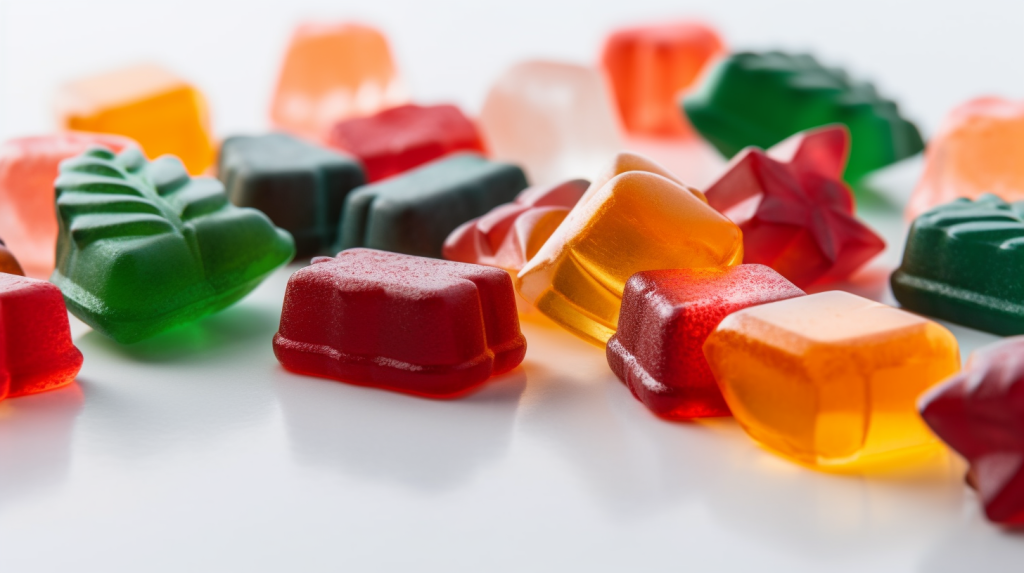
What Are Marijuana Gummies?
Marijuana gummies are a form of cannabis edible. They are made by infusing cannabis extract—typically THC, CBD, or a combination of both—into a gummy candy base. Gummies offer a tasty, easy-to-dose way to consume cannabis without the need to smoke or vape, making them a popular choice among both recreational and medicinal users.
Unlike smoking or vaping, which provides almost immediate effects, consuming cannabis edibles involves digestion, meaning the onset of effects is slower but often longer-lasting. This difference in how the body processes cannabis is key to understanding whether gummies make you hungry.
Weed Gummies vs. Chocolate: What’s the Difference?
The Science Behind Cannabis and Hunger
Before diving into the specific effects of marijuana gummies, it’s essential to understand the mechanism behind the famous “munchies” effect. The munchies are one of the most well-known side effects of cannabis use, particularly THC, the psychoactive compound responsible for the high.
THC interacts with the body’s endocannabinoid system (ECS), which plays a critical role in regulating various bodily functions, including mood, memory, pain sensation, and appetite. Specifically, THC binds to CB1 receptors in the brain, which are involved in the regulation of appetite.
When THC activates these receptors, it can enhance the sense of smell and taste, making food more appealing and pleasurable. Additionally, THC increases the production of ghrelin, a hormone that stimulates hunger.
Combined, these effects lead to the infamous munchies, where even a full stomach doesn’t seem to curb the desire to eat.

Do Marijuana Gummies Cause the Munchies?
Now that we understand how THC affects hunger, the next question is whether marijuana gummies, as a form of edible, trigger the same response as smoking or vaping cannabis.
The answer is yes, marijuana gummies can make you hungry, but there are some key differences in how the munchies manifest when you consume edibles versus inhaling cannabis.
1. Delayed Onset of the Munchies
When you smoke or vape cannabis, the effects of THC are almost immediate, typically within minutes. This rapid onset can lead to an equally quick onset of the munchies. In contrast, marijuana gummies take longer to kick in because they must pass through the digestive system before entering the bloodstream.
Choosing The Right Method: A Beginner’s Guide To Cannabis Consumption
On average, it takes 30 minutes to 2 hours for the effects of edibles to begin, depending on factors like metabolism and whether you’ve eaten recently. As a result, if you’re waiting for the munchies to hit after eating a gummy, you may not feel hungry right away.
2. Longer-Lasting Effects
Because marijuana gummies take longer to digest, the effects, including the munchies, can last much longer than they do with smoking or vaping. While the high from inhaling cannabis typically lasts a few hours, the effects of edibles can last anywhere from 6 to 8 hours or more.
This means that any appetite stimulation from the gummies may persist for several hours, which can lead to more prolonged bouts of snacking.
3. Strain and Dosage Matter
Not all marijuana gummies are created equal when it comes to stimulating hunger. The specific strain of cannabis used to make the gummies can influence whether or not you experience the munchies. Indica-dominant strains are often associated with stronger body effects and appetite stimulation, while sativa-dominant strains may produce more energetic, cerebral effects with less focus on hunger. (The Ultimate Guide To Cbd And Thc: Benefits, Effects, And Legalities)
Dosage also plays a crucial role. A small dose of THC might not cause the munchies, while higher doses are more likely to trigger an increase in appetite. For beginners, starting with a low dose of 5-10mg of THC is recommended to gauge how your body reacts.
Why Don’t Some People Get the Munchies from Gummies?
While it’s common for marijuana gummies to make people hungry, not everyone experiences the munchies in the same way. There are several reasons why someone might not feel an increase in appetite after consuming gummies:
- Tolerance Levels: Regular cannabis users may have developed a tolerance to THC, meaning they need higher doses to feel the same effects, including appetite stimulation.
- CBD Content: Some marijuana gummies contain a mix of THC and CBD. CBD, unlike THC, does not typically cause an increase in appetite and may even counteract some of THC’s effects. If you’re consuming a gummy with a high CBD-to-THC ratio, you might not experience the munchies as strongly.
- Individual Body Chemistry: Everyone’s body reacts differently to cannabis. Some people are more sensitive to THC’s effects on appetite, while others may not feel hungry at all.
Other Factors That Influence Hunger After Eating Marijuana Gummies
While THC is the main driver behind the munchies, other factors can influence how hungry you feel after consuming marijuana gummies.
1. Metabolism
Your metabolism plays a big role in how your body processes cannabis, including the gummies you consume. People with faster metabolisms may feel the effects of edibles more quickly and may also experience hunger sooner than those with slower metabolisms. Additionally, the speed at which your body burns calories and uses energy can influence how much hunger you feel.
2. Timing and Meal Consumption
When you consume marijuana gummies on an empty stomach, the effects may kick in faster, and you could feel hungrier once the THC begins interacting with your endocannabinoid system. On the other hand, eating a large meal before taking a gummy can slow down the onset of effects and delay any feelings of hunger. The type of food you eat also matters—high-carb and fatty meals may slow digestion, while lighter meals may allow the THC to take effect more quickly.
3. Hydration Levels
Sometimes, what we perceive as hunger is actually thirst. Cannabis can cause dry mouth (also known as “cottonmouth”), which might make you feel like snacking, but you may just need to drink water. Staying hydrated while consuming marijuana gummies can help prevent overeating by making sure you’re addressing thirst and not mistaking it for hunger.

Tips for Managing the Munchies
If you’re concerned about the munchies or simply want to maintain a balanced diet while consuming marijuana gummies, here are a few tips to help manage hunger:
- Eat Beforehand: Having a nutritious meal before consuming marijuana gummies can help you avoid overeating once the munchies hit. Foods rich in protein and healthy fats can keep you feeling full for longer, making it easier to resist the urge to snack.
- Stock Healthy Snacks: If you know the munchies are inevitable, prepare by stocking up on healthier snack options like fruits, vegetables, nuts, or whole grains. These snacks can satisfy your cravings without the added calories and unhealthy fats found in processed junk food.
- Stay Hydrated: As mentioned earlier, thirst can sometimes be mistaken for hunger. Make sure to drink plenty of water throughout your cannabis session to stay hydrated and reduce the likelihood of reaching for snacks unnecessarily.
- Practice Mindful Eating: When the munchies strike, it’s easy to overindulge without even realizing it. Try to eat mindfully, paying attention to your body’s hunger cues and stopping when you feel satisfied rather than eating out of habit.
Conclusion: Do Marijuana Gummies Make You Hungry?
In short, yes, marijuana gummies can make you hungry. The THC in gummies interacts with the brain’s endocannabinoid system to stimulate appetite, just like it does when cannabis is smoked or vaped. However, the effects of marijuana gummies tend to be delayed and longer-lasting compared to other consumption methods.
Whether you experience the munchies from marijuana gummies depends on factors like the strain, dosage, individual body chemistry, and how you consume the gummies. If you’re concerned about overeating, there are strategies to manage the munchies, such as eating a healthy meal beforehand, staying hydrated, and keeping nutritious snacks on hand.(The science behind munchies: cannabis and your appetite)
For those who rely on cannabis for medical reasons, marijuana gummies can offer a convenient and effective way to stimulate appetite. As with any cannabis product, it’s important to find the dosage and consumption method that works best for you.
Happy smoking!

 CANMO
CANMO 
Leave a comment