
If you’ve ever grown cannabis outdoors, you know that the plant faces a variety of threats—from weather changes and pests to curious neighbors. But one question that often surprises first-time growers is whether larger animals, like deer, pose a risk to their cannabis crop. You might be wondering, do deer eat cannabis?
In this blog post, we’ll dive into whether deer are attracted to cannabis, how to protect your plants from wildlife, and what you can do to ensure that your cannabis garden thrives in an outdoor setting.

Do Deer Eat Cannabis?
The short answer is yes, deer can eat cannabis, though it’s not necessarily their first choice. Deer are known for being opportunistic feeders, meaning they’ll munch on a wide range of plants depending on what’s available. Cannabis, with its distinctive aroma and texture, might not be a favorite among wildlife, but that doesn’t mean your plants are entirely safe.
Deer have a reputation for eating just about anything they can find, especially in areas where food sources are scarce or during seasons when their usual plant diet is limited. If they wander into your garden and come across your cannabis plants, there’s a chance they’ll take a nibble, particularly if there are tender leaves or young growth that looks appealing.
Why Do Deer Eat Cannabis?
Deer typically feed on a wide variety of vegetation, including leaves, flowers, grasses, and shrubs. Cannabis plants, especially during certain growth stages, can appear similar to other leafy greens and herbs that deer naturally consume. So while cannabis isn’t a staple in their diet, deer might see it as just another plant in their path, especially if they’re hungry and food options are limited.
Here are a few reasons deer might take a bite out of your cannabis plants:
- Tender Growth: Young cannabis plants with tender leaves and soft stems are more likely to be targeted by deer. In particular, new growth during the vegetative stage can be vulnerable, as it’s more delicate and palatable for deer.
- Lack of Food Sources: If you live in an area where natural vegetation is scarce or during certain seasons like winter, deer may be more inclined to eat plants they wouldn’t normally touch, including cannabis.
- Curiosity: Deer are curious creatures and may investigate new plants in their environment. The distinctive smell of cannabis might pique their curiosity, leading them to sample your crop.
- Foraging Behavior: Deer are known to browse for food, nibbling on a wide variety of plants rather than focusing on a single species. If your cannabis garden is in a prime foraging area, it’s possible deer will treat it as part of their regular rounds.
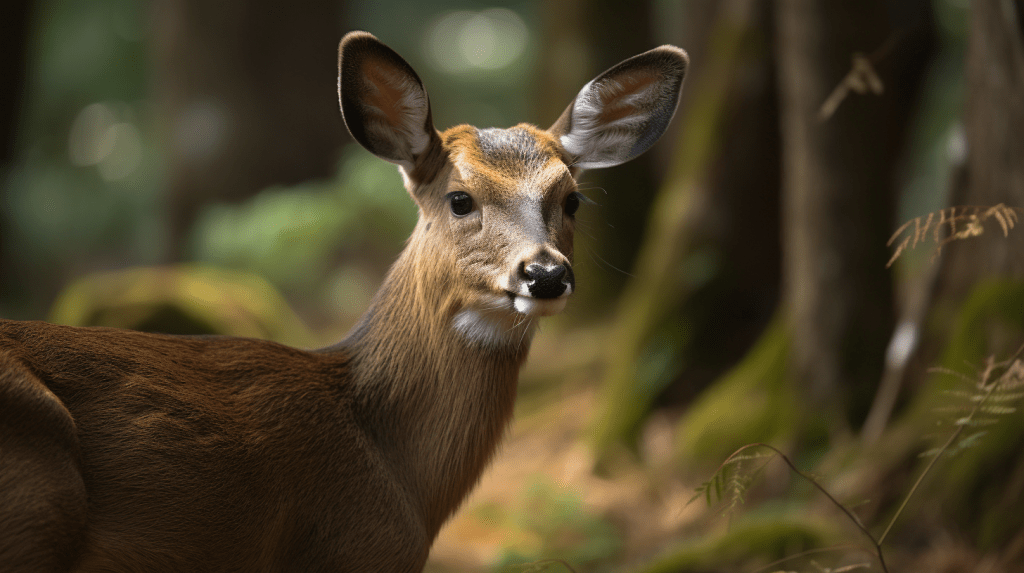
What Parts of the Cannabis Plant Do Deer Eat?
Deer aren’t particularly picky when it comes to foraging, but certain parts of the cannabis plant are more likely to be consumed than others. Typically, deer are attracted to the more tender parts of plants, and cannabis is no exception. If deer do decide to snack on your cannabis plants, here are the parts they might go for:
- Leaves: Deer are most likely to eat the leaves of cannabis plants, especially when they’re young and tender. While mature leaves are tougher and less appealing, early vegetative growth is much more palatable to wildlife. (Unleashing The Potential Of Cannabis Leaves: Cooking, Nutrition, And Wellness)
- New Shoots: New shoots and stems, particularly during the early stages of the plant’s life cycle, are often targeted by deer.
- Flowers: While it’s less common for deer to eat the flowers of a cannabis plant, it’s not impossible. If a deer is hungry enough, it might even nibble on the buds, though the plant’s sticky trichomes and potent smell may deter them.
When Are Cannabis Plants Most Vulnerable to Deer?
Cannabis plants are most vulnerable to deer during their vegetative growth stage, when they produce a lot of leafy growth. During this phase, the leaves are softer and more likely to attract deer looking for an easy meal. The flowering stage, when cannabis plants produce buds, is less appealing to deer because the leaves and flowers tend to be tougher, and the plant’s smell and texture become more pungent and sticky.
However, that doesn’t mean your plants are entirely safe once they start flowering. If other food sources are scarce, or if a deer has developed a taste for your cannabis plants, they might continue to browse your garden throughout the growing season.
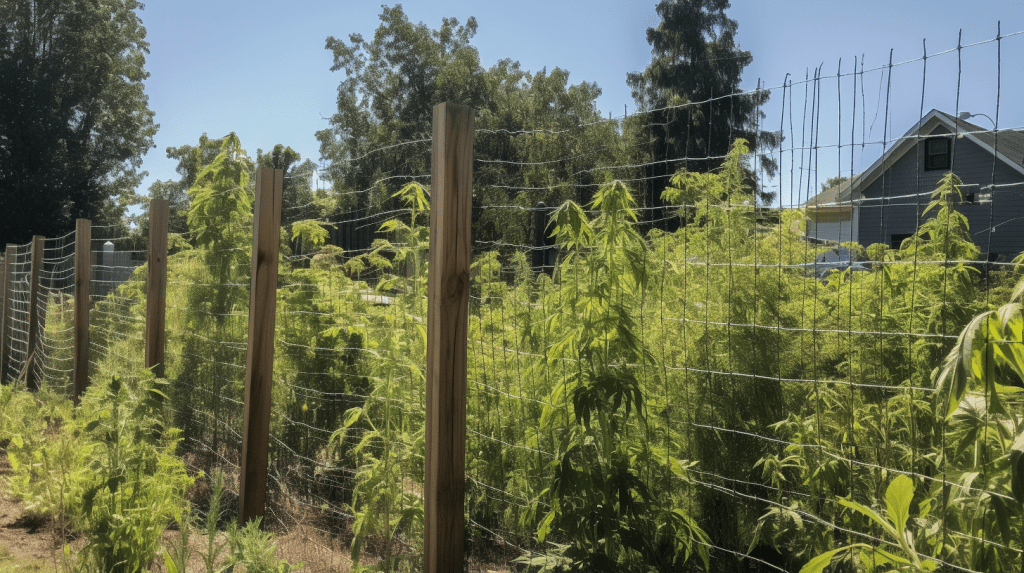
How to Protect Your Cannabis Plants from Deer
Now that you know deer can and might eat your cannabis plants, let’s discuss some effective ways to protect your outdoor grow from these curious critters. Whether you’re growing in a large outdoor garden or a small backyard setup, keeping deer at bay is crucial for ensuring a healthy harvest.
1. Fencing
One of the most effective ways to protect your cannabis plants from deer is by installing a fence around your garden. Deer are capable jumpers, so the fence needs to be tall—at least 6 to 8 feet high. If deer pressure is particularly strong in your area, consider building a double fence (two parallel fences a few feet apart) or adding an angled section to the top of the fence to prevent jumping.
When installing a fence, make sure it extends into the ground by at least a foot. Deer can sometimes try to dig under barriers, so securing the fence underground helps prevent this behavior.
2. Deer Repellents
Another way to deter deer is by using deer repellents, which come in several forms. Many repellents are available in spray form, and they’re designed to make plants smell or taste unpleasant to deer. You can apply these to your cannabis plants or the area around your garden.
Common natural deer repellents include:
- Garlic or pepper sprays: These can make plants taste unpleasant to deer without harming them.
- Soap bars: Hanging bars of strong-smelling soap around your garden can confuse deer and mask the scent of your plants.
- Human hair or predator urine: Scattering human hair or spraying predator urine (available in gardening stores) around your garden can create the illusion of predators nearby, which may deter deer.
Just keep in mind that deer repellents often need to be reapplied after rain or heavy watering.

3. Motion-Activated Devices
Motion-activated sprinklers or lights can startle deer and keep them away from your cannabis garden. These devices activate when they detect movement, spraying a burst of water or flashing lights that scare off wildlife. This method is humane and non-invasive, but it’s important to ensure that these devices are strategically placed around your garden for maximum coverage.
4. Planting Deer-Resistant Plants
Another natural way to protect your cannabis plants from deer is by planting deer-resistant plants around the perimeter of your garden. While no plant is entirely deer-proof, certain species are less appealing to deer. Consider planting herbs like lavender, rosemary, or mint, which have strong scents that deer tend to avoid.
5. Create a Physical Barrier
If fencing or repellents aren’t enough, consider adding additional physical barriers around individual cannabis plants. Chicken wire, plant cages, or netting can be used to cover and protect your plants from deer. Just make sure that the barriers are sturdy and tall enough to prevent deer from accessing the plants.
What Other Animals Eat Cannabis?
Deer aren’t the only animals that might be interested in your cannabis plants. If you’re growing outdoors, your garden may attract a variety of wildlife. Here are a few other critters that you should be aware of:
- Rabbits: These small but persistent animals can chew through cannabis leaves and stems, especially young plants.
- Rodents: Mice, rats, and squirrels might also take an interest in your garden, particularly if you’re growing in an area with a lot of nearby vegetation.
- Insects: While not a mammal, insects like aphids, spider mites, and caterpillars can cause significant damage to your cannabis plants. Keeping an eye on pests is just as important as protecting your garden from larger animals.
Conclusion: Do Deer Eat Cannabis?
In conclusion, yes, deer can eat cannabis, though it’s not necessarily a regular part of their diet. Deer are opportunistic foragers, and if they come across your cannabis garden—especially young, tender plants—they might take a nibble. However, with the right preventative measures, such as fencing, repellents, and motion-activated devices, you can protect your cannabis garden from deer and other wildlife.
If you’re growing cannabis outdoors, it’s important to be proactive in defending your plants. Keep an eye out for signs of deer activity, such as hoof prints, droppings, or damaged plants, and take steps to secure your garden as soon as possible.
Remember, a little preparation can go a long way in ensuring that your cannabis plants reach full maturity and provide you with the harvest you’ve been looking forward to.
Happy growing!

 CANMO
CANMO 
Leave a comment