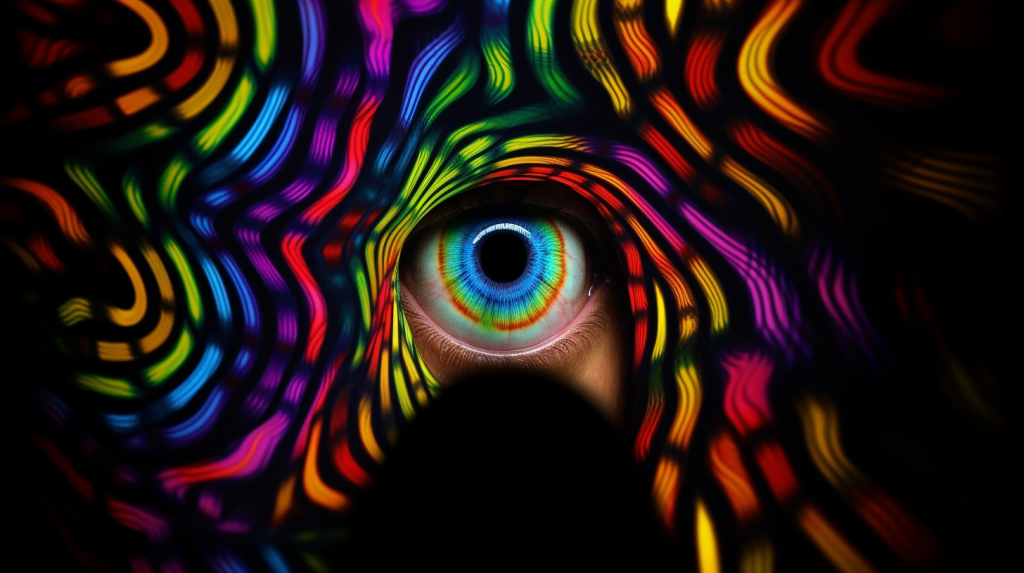
The debate over whether cannabis can cause hallucinations has been a point of discussion for years, with opinions ranging from anecdotal experiences to scientific research. Cannabis, once vilified in public discourse, is now legal for recreational and medicinal use in many parts of the world, including California.
While the plant is widely celebrated for its relaxing and therapeutic effects, some users report experiencing vivid sensations, altered perceptions, and even hallucinations after consumption. So, can cannabis really cause hallucinations? Let’s dive into the science, the myths, and the truth behind this phenomenon.
Understanding Cannabis and Its Compounds
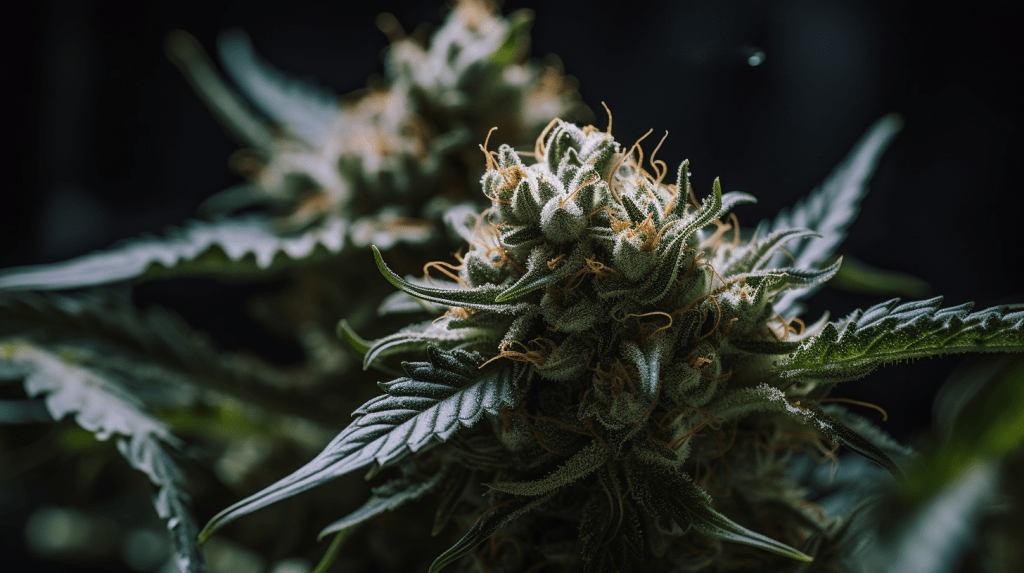
To get a clearer answer, it’s essential to understand what cannabis consists of. The plant contains more than 100 cannabinoids, with the most prominent being tetrahydrocannabinol (THC) and cannabidiol (CBD).
- THC is the psychoactive compound responsible for the “high” that many users experience. It binds to receptors in the brain and affects functions such as mood, memory, perception, and pain.
- CBD, on the other hand, is non-psychoactive and is celebrated for its therapeutic properties without inducing a high. It is commonly used for pain relief, anxiety reduction, and managing seizures.
THC has the potential to alter sensory perception, which is why it’s commonly linked to altered experiences, and this can sometimes lead to users questioning whether they are hallucinating.
What Are Hallucinations?
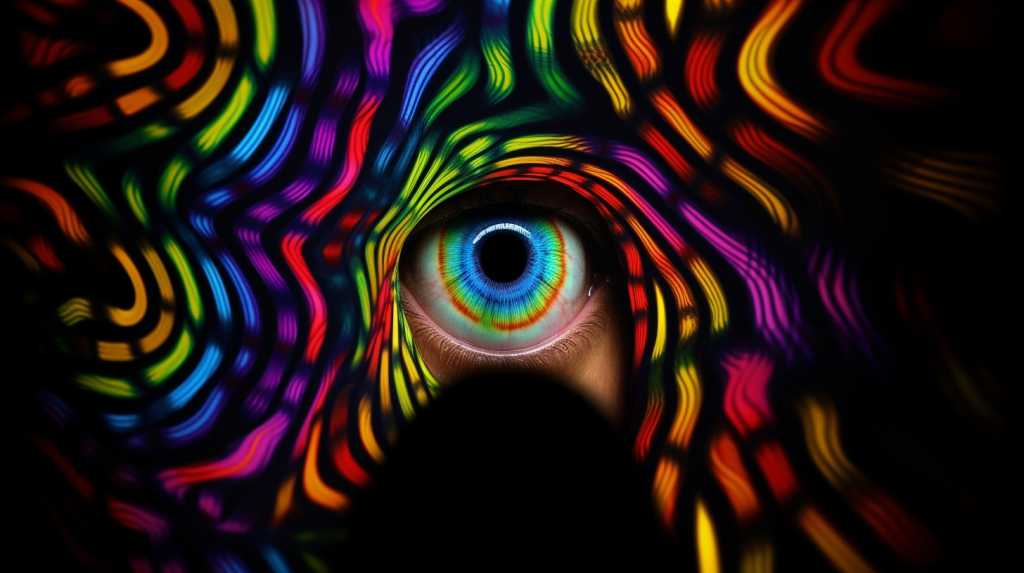
Before we delve deeper, it’s important to define hallucinations. Hallucinations are perceptions that seem real but are created by the brain. They can affect all five senses. For example:
- Visual hallucinations involve seeing things that aren’t there.
- Auditory hallucinations include hearing voices or sounds that have no external source.
- Tactile hallucinations make you feel sensations on your skin without physical stimuli.
- Olfactory hallucinations involve smelling things that aren’t present, and
- Gustatory hallucinations create tastes in your mouth that don’t exist.
Hallucinations are often associated with mental health conditions such as schizophrenia, or with the use of drugs like LSD and psilocybin (magic mushrooms), which are known for their hallucinogenic effects. But where does cannabis fit into this?
THC and Altered Perception
While cannabis is not typically classified as a hallucinogen like LSD or magic mushrooms, THC can alter perception in ways that might feel hallucinatory. For instance, people often report experiencing:
- Time distortion, where moments feel stretched out or compressed.
- Enhanced colors and sounds, making everything seem more vivid.
- A shift in the sense of self, where one might feel disconnected from their body or thoughts.
These sensations might be labeled as mild hallucinations, but they are more accurately described as perceptual distortions. Unlike true hallucinations, where the brain creates images or sounds out of nothing, these altered perceptions are based on real stimuli. THC simply amplifies or skews how the brain interprets them.
The Role of Dosage
Dosage plays a critical role in whether a person will experience any kind of hallucination-like effects when consuming cannabis. Low to moderate doses of THC usually result in mild euphoria, relaxation, and altered perception. However, when people consume higher doses—whether through edibles, concentrates, or simply too much smoking—they are more likely to experience intense effects, including anxiety, paranoia, and in rare cases, hallucinations. (Microdosing Cannabis: Your Comprehensive Guide To Thc And Cbd Wellness)
Edibles, in particular, are notorious for their potency. Because the THC in edibles is processed differently by the liver, the effects can be more intense and longer-lasting than those experienced from smoking or vaping. This is why some users may feel like they’re “tripping” after consuming too much of an edible, leading them to believe they are hallucinating. (Unlocking The Potential Of Cannabis Edibles: A Guide To Trends, Safety, And Innovative Recipes)
Cannabis-Induced Psychosis: A Real Risk?
While cannabis-induced hallucinations are rare, there is a real concern about cannabis-induced psychosis, especially for those with a predisposition to mental health conditions. Psychosis refers to a disconnection from reality, which can include hallucinations, delusions, and disorganized thinking.
Cannabis-induced psychosis is more likely to occur in individuals with a history of mental illness, particularly those prone to schizophrenia. Studies have shown that high-THC cannabis use can increase the risk of triggering psychotic episodes in vulnerable individuals, especially when used regularly over time. For those without a predisposition, the risk is significantly lower, but it’s something to be mindful of if you’re consuming high doses of THC.

Can CBD Help?
Interestingly, CBD has shown potential in counteracting some of the psychoactive effects of THC, including anxiety and paranoia. This is why some people seek out cannabis strains with balanced THC-to-CBD ratios to enjoy the benefits of THC without the overwhelming mental effects.
CBD acts on different receptors in the brain and does not produce a high. It has been studied for its antipsychotic properties and may even help prevent the onset of psychosis in vulnerable individuals. For those concerned about the risk of hallucinations or psychosis, opting for cannabis products with a higher CBD content might offer a safer and more enjoyable experience. (What are the benefits of CBD — and is it safe to use?)
The Role of Set and Setting
Just like with other substances that alter perception, the environment and mindset play a huge role in the cannabis experience. People who use cannabis in a comfortable, relaxed setting are less likely to experience negative effects than those who are anxious, stressed, or in unfamiliar environments.
The idea of “set and setting” has been discussed at length in the context of psychedelics, but it also applies to cannabis. If you are in a bad mental space, using cannabis—especially in large amounts—could heighten feelings of paranoia or anxiety, which some may interpret as hallucinations. On the flip side, being in a calm and familiar setting can help enhance the positive effects of the plant.
Cannabis and Hallucinations: The Final Word
So, can cannabis cause hallucinations? The short answer is: not in the traditional sense. While high doses of THC can lead to altered perceptions, vivid experiences, and a distorted sense of time, these effects are not typically classified as full-blown hallucinations.
However, for individuals with a predisposition to mental health disorders, cannabis—especially high-THC strains—can increase the risk of psychosis, which may involve hallucinations.
It’s important to remember that everyone reacts to cannabis differently. What feels like a mind-bending experience for one person may be mild and relaxing for another. Factors such as dosage, strain, individual tolerance, and the environment all play a role in shaping the cannabis experience.
If you’re concerned about experiencing hallucinations or other negative effects, here are some tips to keep in mind:
- Start low and go slow, especially if you’re new to cannabis or trying a new method like edibles.
- Opt for balanced strains with a higher CBD-to-THC ratio if you want to mitigate some of the intense psychoactive effects of THC.
- Pay attention to your set and setting—make sure you’re in a comfortable environment with people you trust.
- And lastly, if you have a personal or family history of mental health issues, consult with a healthcare professional before using cannabis.
Cannabis can be an enjoyable and therapeutic experience for many, but like all substances, it should be used responsibly. Understanding its effects, particularly how THC interacts with your brain, is key to having a positive and safe experience.
Happy smoking!

 CANMO
CANMO 
Leave a comment