Cannabis has been part of human culture for thousands of years, known for its medicinal, recreational, and spiritual uses. (History of cannabis)With the growing legalization of cannabis, particularly in places like California, conversations about its effects on health have become more widespread.
One question that often comes up, especially among younger users and concerned parents, is: Can weed stunt your growth?
In this post, we’ll dive into the science behind cannabis use, especially focusing on how it might impact growth and development during adolescence and beyond. While the idea of cannabis stunting growth might seem like a straightforward yes or no question, the answer is a little more complex.
To understand the potential impact, we need to explore the body’s systems, how cannabis interacts with them, and the factors that influence these interactions.
Understanding the Endocannabinoid System
Before diving into whether cannabis can stunt your growth, it’s important to understand the endocannabinoid system (ECS), a complex network of receptors, enzymes, and cannabinoids found throughout the human body. This system plays a crucial role in regulating several key functions, including mood, memory, pain sensation, immune response, and growth.
The ECS consists of two main receptors:
- CB1 receptors, found predominantly in the brain and central nervous system, and
- CB2 receptors, primarily located in the immune system and peripheral tissues.
Cannabinoids like THC (tetrahydrocannabinol) and CBD (cannabidiol) from cannabis interact with these receptors. THC is the compound responsible for the psychoactive effects, or “high,” while CBD is non-psychoactive and often used for therapeutic purposes.
The ECS helps maintain homeostasis, or balance, in the body. Because it is involved in such a wide range of processes, any substance that affects the ECS, such as cannabis, has the potential to impact different areas of health, including growth and development.

How Growth Works: Hormones and the Body’s Development
To understand whether weed can stunt growth, we first need to explore how growth works. Human growth, particularly during adolescence, is driven by a variety of hormones, most notably growth hormone (GH) and insulin-like growth factor-1 (IGF-1). These hormones are responsible for the development of bones, muscles, and organs during the critical growth periods of childhood and puberty.
- Growth hormone is released by the pituitary gland, a small but powerful gland located at the base of the brain.
- IGF-1, a protein produced in the liver in response to growth hormone, plays a key role in bone growth and development.
Any disruption in these hormone levels during adolescence can affect growth, which is why it’s important to understand how external substances like cannabis might interfere with these natural processes.

The Impact of Cannabis on Growth During Adolescence
The concern about cannabis stunting growth is primarily focused on adolescent users. This is because adolescence is a critical period for physical, cognitive, and emotional development. During this time, the brain undergoes significant changes, including the development of the prefrontal cortex, which is responsible for decision-making, impulse control, and reasoning.
Because cannabis interacts with the ECS, and CB1 receptors are prevalent in the brain, there is reason to believe that using cannabis during adolescence could potentially affect brain development. But can it actually stunt physical growth?
1. Cannabis and Growth Hormones
Several studies have explored the relationship between cannabis use and growth hormone levels. Research has shown that THC can suppress the release of growth hormone. This suppression is more pronounced when cannabis is consumed regularly or in high doses during adolescence. If growth hormone levels are reduced, this could theoretically limit bone and muscle development, leading to stunted growth. (Smoking cannabis before puberty may cause stunted growth in boys)
However, while there is evidence that cannabis can affect hormone levels, it’s important to note that these effects are typically temporary. Once cannabis use stops, growth hormone levels often return to normal. So, while chronic cannabis use during critical growth periods might impact development, occasional or moderate use is less likely to have long-term consequences on physical growth.
2. Cannabis and Puberty
Another aspect to consider is how cannabis use during adolescence might affect puberty. Puberty is driven by a delicate balance of hormones, including testosterone and estrogen, which guide the development of secondary sexual characteristics like body hair, muscle mass, and reproductive organs.
Some research suggests that cannabis use during adolescence may delay the onset of puberty. One study on boys who used cannabis found that they had lower testosterone levels and delayed sexual maturation compared to their non-using peers. This delay in puberty could theoretically impact growth, as the timing of these hormonal changes is closely linked to physical development.
However, it’s important to acknowledge that the majority of this research is based on animal studies or observational data. While there are correlations between cannabis use and delayed puberty or lower growth hormone levels, more research is needed to establish a clear causal relationship.
3. Brain Development and Cannabis Use
In addition to physical growth, adolescence is a crucial period for brain development. Cannabis use during this time can interfere with cognitive functions, memory, and learning, but what about growth? While the direct connection between brain development and physical growth isn’t as clear, we know that the prefrontal cortex, which continues to develop into the mid-20s, is affected by THC. Frequent cannabis use during this period could potentially interfere with decision-making and impulse control, which might indirectly impact overall health, including growth habits like nutrition and exercise.(The Effects of Marijuana on the Teenage and Young Adult Brain)
The Impact of Cannabis on Adults: Can It Still Affect Growth?
For adults who have already gone through puberty and completed most of their physical growth, the idea of cannabis stunting growth seems less likely. However, there are a few areas where cannabis use could still impact overall health and well-being, which might indirectly affect how you feel in terms of growth or physical development.
1. Weight and Metabolism
One way that cannabis might affect adults is through its impact on metabolism and weight. While many people associate cannabis with the “munchies,” there’s also evidence suggesting that cannabis users tend to have lower body mass indexes (BMI) compared to non-users. This has led some researchers to believe that cannabis may influence metabolism, potentially increasing the body’s ability to process calories more efficiently.
That being said, if cannabis use causes significant changes in appetite or eating habits, this could indirectly affect physical health.
For adults who are still working on muscle development or maintaining bone density, having a balanced diet is essential, and cannabis-related appetite changes could potentially disrupt this.
2. Bone Density
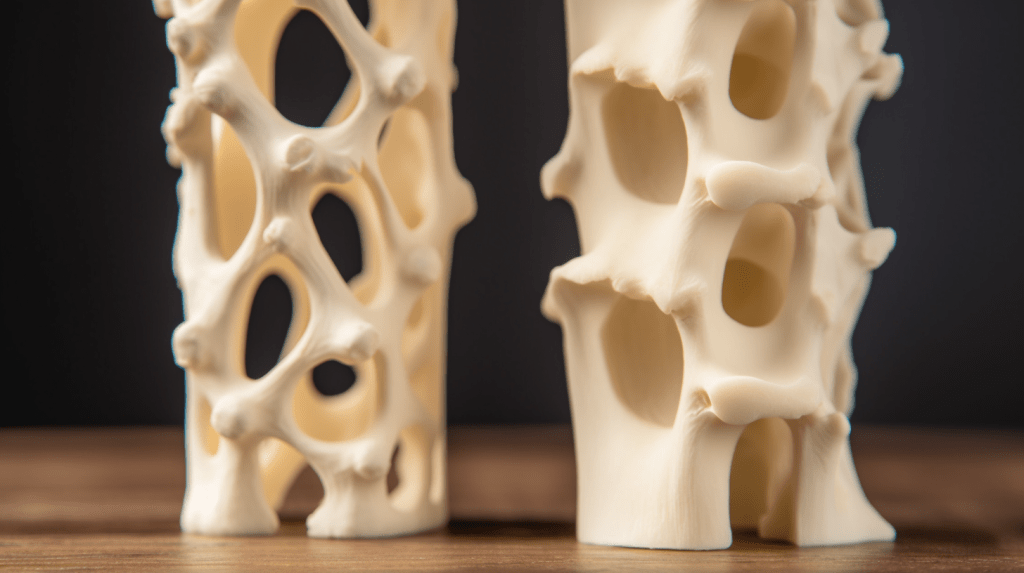
Recent studies have also looked into the effects of cannabis on bone health. Some research suggests that chronic cannabis use may be associated with lower bone density. This could potentially lead to a greater risk of fractures and other bone-related issues later in life. For adults who are concerned about maintaining their physical health, this is something to consider when using cannabis over long periods.
What About CBD? Does It Affect Growth?
While much of the discussion around cannabis and growth focuses on THC, it’s also worth considering the impact of CBD. As a non-psychoactive compound, CBD does not bind to CB1 receptors in the same way that THC does, and it is generally considered to have fewer adverse effects on brain and physical development.
In fact, some studies suggest that CBD may have protective properties, helping to counteract some of the negative effects of THC, including its impact on brain development. For this reason, many people prefer cannabis products that contain a balance of THC and CBD, as this can provide the benefits of cannabis without as many risks to development. (CBD may protect against psychiatric risk from high-THC cannabis strains)
Other Factors That Influence Growth
When thinking about whether cannabis can stunt growth, it’s important to consider that many factors influence physical development, and cannabis use is only one part of the equation. Genetics, nutrition, exercise, and overall health all play significant roles in determining how a person grows and develops.
If someone is using cannabis regularly, but they also maintain a balanced diet, get enough sleep, exercise regularly, and have access to healthcare, the potential impact of cannabis on their growth might be minimal. On the other hand, if cannabis use leads to unhealthy lifestyle habits—such as poor nutrition, lack of exercise, or substance dependence—this could indirectly affect growth and physical development, especially during adolescence.
Final Thoughts: Can Weed Stunt Your Growth?
So, can weed stunt your growth? The answer depends on several factors, including the age at which cannabis is used, the frequency and dosage of use, and individual lifestyle habits. For adolescents, who are still going through critical periods of physical and brain development, there is evidence to suggest that cannabis use, particularly regular or heavy use, can impact growth hormones, delay puberty, and potentially lead to stunted growth.
For adults, the risk of cannabis stunting growth is much lower, although it’s still important to be mindful of its effects on bone health, metabolism, and overall well-being.
In summary:
- Cannabis can affect growth hormones and puberty, particularly in adolescents.
- Heavy or regular use during adolescence may have more pronounced effects on physical and brain development.
- For adults, cannabis use is less likely to stunt growth, but it can impact other aspects of health, such as metabolism and bone density.
- CBD is generally considered to have fewer negative effects on development compared to THC.
As with any substance, moderation and mindfulness are key. If you’re concerned about how cannabis might affect your growth or overall health, it’s always a good idea to consult with a healthcare professional to make informed choices.
Happy smoking!

 CANMO
CANMO 
Leave a comment