For years, cannabis has been associated with altered states of consciousness, creativity, and, for some, a relaxing escape. But what if I told you that cannabis might also be good for your brain? While the stereotype of the forgetful stoner persists, research increasingly suggests that cannabis, particularly certain cannabinoids like CBD, can offer several cognitive benefits when used mindfully.
From its neuroprotective properties to its potential role in alleviating anxiety and depression, cannabis may have a more complex relationship with brain health than we’ve previously understood. In this article, we’ll dive into how cannabis impacts brain function, discuss the potential benefits, and explore the science that supports the idea that cannabis could actually be good for your brain.
Read more:
Does Cannabis Affect Learning? The Truth Revealed
Dopamine and Cannabis: Exploring the Brain’s Reward Chemistry
Does Marijuana Cause Memory Loss? The Truth Behind Cannabis and Your Brain
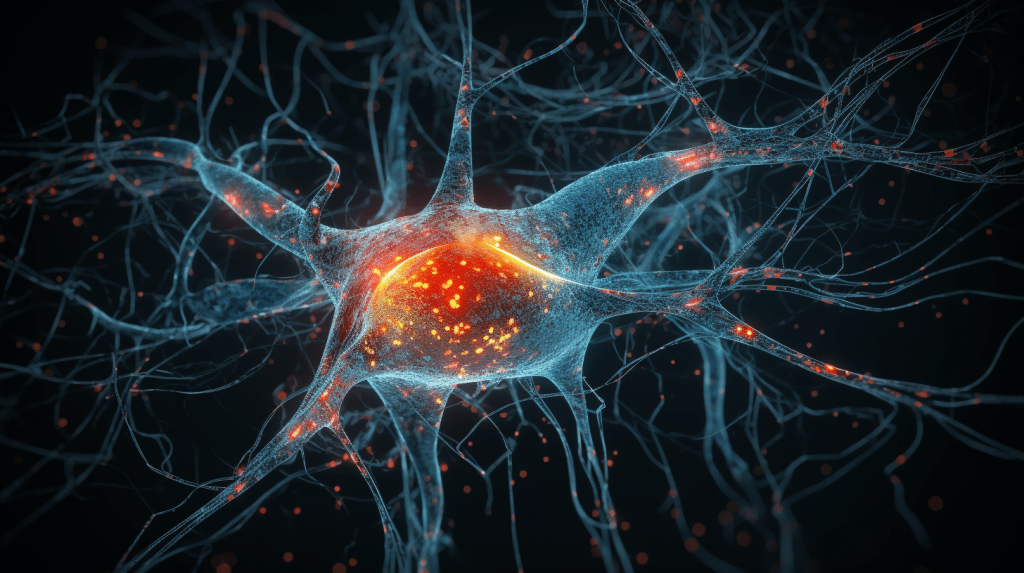
How Cannabis Affects the Brain
Cannabis affects the brain by interacting with the endocannabinoid system (ECS), a network of receptors that helps regulate various bodily functions such as mood, memory, sleep, and appetite. The two main cannabinoids in cannabis—tetrahydrocannabinol (THC) and cannabidiol (CBD)—interact with ECS receptors in different ways, leading to distinct effects on the brain.
1. THC and Brain Function
THC is the psychoactive component of cannabis that makes users feel “high.” It binds to CB1 receptors in the brain, which affects regions responsible for memory, mood, and perception. While excessive THC use can impair short-term memory and attention, moderate and mindful use may offer certain benefits, such as enhancing creativity and improving mood.
However, heavy or prolonged use of THC may have negative cognitive effects, particularly in younger people whose brains are still developing. As we’ll discuss, it’s all about balance and finding what works best for your brain.
2. CBD: The Neuroprotective Powerhouse
CBD, on the other hand, is non-psychoactive and has been the focus of much research for its potential neuroprotective effects. It doesn’t bind directly to CB1 receptors but influences them in ways that can reduce anxiety, improve cognitive function, and promote brain health.
- Anti-Inflammatory Properties: Inflammation in the brain is a major cause of cognitive decline and neurodegenerative diseases like Alzheimer’s. CBD’s anti-inflammatory effects may help reduce brain inflammation and protect neurons from damage.
- Antioxidant Effects: CBD also acts as an antioxidant, fighting off free radicals that can contribute to aging and cognitive decline.

The Cognitive Benefits of Cannabis
While the idea that cannabis can impair cognitive function has been widely accepted for decades, recent research shows that there may be several cognitive benefits to using cannabis, particularly for certain conditions or when consumed in moderation. Here are some of the key ways cannabis may be good for your brain:
1. Neuroprotection and Prevention of Degenerative Diseases
One of the most promising areas of cannabis research focuses on its potential to protect the brain from age-related diseases like Alzheimer’s and Parkinson’s. Studies show that cannabinoids like THC and CBD can help reduce brain inflammation, prevent the buildup of beta-amyloid plaques, and stimulate the growth of new brain cells—all of which are critical in preventing neurodegenerative diseases.
- CBD’s Role in Alzheimer’s: Research suggests that CBD may reduce the buildup of beta-amyloid plaques, which are one of the main causes of Alzheimer’s disease. In some studies, CBD was shown to improve cognitive function and slow the progression of Alzheimer’s in animal models.
- THC and Neurogenesis: THC has been found to promote neurogenesis, the process of creating new neurons in the brain. This is crucial for brain health as we age and could potentially help prevent cognitive decline.
2. Improving Mood and Reducing Anxiety
Mental health is intricately linked to cognitive health, and cannabis—especially CBD—can have a profound impact on mood regulation and anxiety reduction. Chronic stress and anxiety can negatively impact brain function, leading to memory problems, difficulty concentrating, and impaired decision-making.
- CBD for Anxiety Relief: CBD is well-known for its anxiolytic properties, meaning it can help reduce anxiety. Studies show that CBD influences serotonin receptors in the brain, much like antidepressant medications, leading to a calmer state of mind and improved mood.
- THC’s Mood-Boosting Effects: In low to moderate doses, THC can elevate mood and reduce symptoms of depression, thanks to its activation of the brain’s dopamine system. Dopamine is the “feel-good” chemical responsible for pleasure and motivation, and cannabis can help increase its release.
3. Creativity and Divergent Thinking
Many cannabis users report feeling more creative and open-minded while high, and science backs this up. THC’s effects on the brain can temporarily disrupt conventional thinking patterns, encouraging divergent thinking—a thought process associated with creativity, problem-solving, and innovation.
In fact, studies have shown that THC can enhance verbal fluency, creativity, and even the ability to think “outside the box.” While these effects tend to be more noticeable in light to moderate users, they suggest that cannabis can be a valuable tool for enhancing creative brain function.
4. Chronic Pain Management and Cognitive Function
Chronic pain is not only physically debilitating, but it can also impair cognitive function over time. People living with chronic pain often experience brain fog, memory issues, and difficulty concentrating. Cannabis, particularly strains high in CBD and balanced with THC, is a popular option for managing chronic pain without the cognitive side effects associated with opioids.
- Pain Relief without Cognitive Impairment: CBD, in particular, offers pain relief without causing the “high” associated with THC, making it an excellent option for those looking to manage pain while maintaining focus and mental clarity.
- Improved Sleep: Since cannabis can also improve sleep quality, those with chronic pain who use cannabis may find that improved rest also leads to better cognitive performance.

The Role of Terpenes in Brain Health
Beyond cannabinoids like THC and CBD, the terpenes in cannabis also play a crucial role in its effects on the brain.
Terpenes are the aromatic compounds found in cannabis (and other plants) that give each strain its unique scent and flavor profile. They also have therapeutic properties that can impact cognitive function, mood, and overall brain health.
1. Limonene: Known for its citrusy aroma, limonene has antidepressant and anti-anxiety properties that can help boost mood and cognitive function.
2. Pinene: This terpene, found in pine trees and some cannabis strains, has been shown to improve memory and alertness.
3. Linalool: With its calming lavender-like scent, linalool is great for reducing stress and promoting relaxation, making it a valuable terpene for cognitive health.
By choosing cannabis strains rich in these brain-boosting terpenes, you can tailor your experience to support cognitive function and mental well-being.

Using Cannabis Mindfully for Brain Health
While there’s growing evidence that cannabis can be beneficial for the brain, it’s important to use it mindfully to avoid potential negative side effects. Here are some tips for optimizing your cannabis use for brain health:
1. Moderate Your THC Intake
While THC offers some brain-boosting benefits, too much can impair short-term memory and attention. Stick to moderate doses, especially if you’re using cannabis regularly. A well-organized stash box such as LOKKBOXX can help you manage your consumption more effectively, keeping track of how much and what kind you have used.
2. Incorporate CBD
CBD is the real star when it comes to brain health. Incorporate CBD into your routine to take advantage of its neuroprotective and anti-inflammatory properties.
3. Choose the Right Strains
Look for strains rich in CBD and brain-healthy terpenes like limonene and pinene. Experiment with different strains to find the right balance for your body and mind.
4. Take Breaks
If you’re a daily cannabis user, it’s a good idea to take periodic tolerance breaks. This can help reset your endocannabinoid system and ensure that you’re getting the most benefit from your cannabis use.(The Essential Guide To Taking A Break From Cannabis: Why And How)
5. Pair Cannabis with a Healthy Lifestyle
While cannabis can support brain health, it’s most effective when paired with a healthy lifestyle. Regular exercise, a balanced diet, and good sleep habits all contribute to better cognitive function, and cannabis can be an excellent supplement to these practices.
Conclusion: Is Cannabis Good for the Brain?
The growing body of research around cannabis and brain health suggests that, when used mindfully, cannabis—particularly strains rich in CBD—can offer several cognitive benefits. From its neuroprotective effects to its ability to improve mood, reduce anxiety, and even enhance creativity, cannabis has the potential to support brain function in ways that go beyond just the “high.”
However, as with any substance, moderation and mindful use are key. If you’re looking to support your brain health with cannabis, focus on balanced strains, incorporate CBD, and make sure to pair your cannabis use with healthy lifestyle choices.
Happy smoking!



 CANMO
CANMO 
Leave a comment