In Part 1 of this series, we covered the basics of setting up your home cannabis grow—everything from choosing the right seeds to creating an ideal growing environment. Now that your plants are sprouting and thriving, it’s time to dive into the growing phase.
In Part 2, we’ll explore the critical steps you need to take to grow cannabis at home successfully, including proper watering, lighting, nutrient management, and plant care tips that will help you maximize your yield and grow high-quality buds.
Whether you’re new to growing or looking to refine your techniques, this guide will provide you with everything you need to keep your cannabis plants happy and healthy throughout their life cycle. So, let’s get into how to grow weed at home, from the seedling stage all the way to flowering!
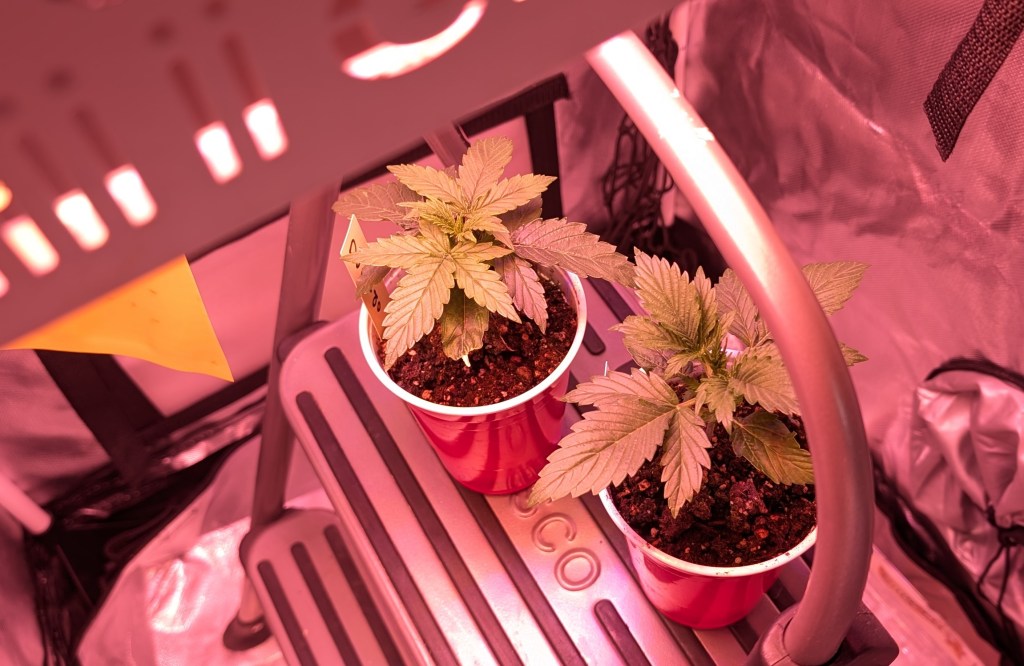
The Cannabis Growth Stages
Before we break down the essentials of the growing process, it’s helpful to understand the main growth stages of the cannabis plant. Knowing what to expect during each stage will help you respond to your plant’s needs effectively.
- Seedling Stage: After your seeds germinate, your cannabis plants enter the seedling stage. At this point, they’re delicate and require careful monitoring.
- Vegetative Stage: Once your plant has a few sets of leaves, it enters the vegetative stage. This is where most of the plant’s upward growth and development happen.
- Flowering Stage: The final stage is flowering, where your plants begin to produce buds. Proper care here will ensure you get the most potent and flavorful yield.
Setting Up the Ideal Growing Environment
The first step to successfully growing weed at home is ensuring your plants have the ideal environment. Whether you’re growing indoors or outdoors, there are a few key factors to keep in mind.
1. Lighting: The Key to Healthy Growth
Light is one of the most important factors in growing cannabis. If you’re growing indoors, you’ll need to invest in grow lights. Here are some common lighting options:
- LED Lights: Energy-efficient and long-lasting, LEDs provide a full light spectrum, which is perfect for both the vegetative and flowering stages.
- HID Lights: High-intensity discharge (HID) lights, such as metal halide (MH) or high-pressure sodium (HPS), are also popular among indoor growers for their powerful light output.
- Fluorescent Lights: These are great for small grows or beginners but may not provide enough light for large plants during flowering.
For indoor grows, aim for at least 18 hours of light per day during the vegetative stage and 12 hours of light during flowering. If you’re growing outdoors, make sure your plants get plenty of direct sunlight, especially during their vegetative stage.
2. Temperature and Humidity: The Perfect Balance
Cannabis thrives in environments with controlled temperature and humidity. For indoor growers, using a thermometer and hygrometer is essential to monitor these conditions.
- Vegetative Stage: Keep temperatures between 70-85°F (21-29°C) during the day and slightly cooler at night. Humidity should be around 40-60%.
- Flowering Stage: Lower the humidity to about 30-50% to prevent mold from developing in the buds. Temperatures should be kept in the range of 65-80°F (18-26°C).
Maintaining these ideal conditions will help your plants stay healthy and produce strong, resinous buds.
3. Ventilation: Keep the Air Moving
Good airflow is crucial for preventing mold and mildew, especially in indoor setups. Install an exhaust fan and circulation fans to ensure fresh air is constantly moving around your plants. This will also help control temperature and humidity levels, preventing heat buildup and stagnant air, which can harm your plants.
Watering Your Cannabis Plants
One of the most common mistakes new growers make is overwatering or underwatering their plants. Cannabis prefers a wet-dry cycle, meaning it likes its roots to dry out between waterings.
How to Tell When to Water:
- Soil Test: Stick your finger about an inch into the soil. If it feels dry, it’s time to water. If it’s still damp, wait a day or two.
- Weight Test: If you’re growing in pots, lift the pot to feel its weight. A dry pot will be much lighter than a well-watered one.
Best Practices for Watering:
- Use water that is pH-balanced (between 6.0-7.0 for soil grows).
- Avoid overwatering by waiting until the top layer of soil is dry before watering again.
- If you’re growing in a hydroponic system, monitor the water’s pH and nutrient levels regularly to ensure they stay within optimal ranges.
Feeding Your Cannabis Plants: Nutrient Basics
Cannabis requires nutrients at every stage of growth, but the type and amount of nutrients will vary depending on the stage of the plant’s life.
Nutrients for the Vegetative Stage:
- Nitrogen (N): Cannabis needs high levels of nitrogen in the vegetative stage to support rapid growth and leaf production.
- Phosphorus (P) and Potassium (K): While nitrogen is the main nutrient in the vegetative stage, don’t forget phosphorus and potassium, which help with root development and overall plant health.
You can use cannabis-specific fertilizers that are high in nitrogen during this stage. Follow the feeding instructions on the product, and be careful not to overfeed, which can lead to nutrient burn (brown, crispy leaf tips).
Nutrients for the Flowering Stage:
Once your plants start flowering, they will require less nitrogen and more phosphorus and potassium to help develop strong, healthy buds.
- Phosphorus: Critical for flower development.
- Potassium: Helps with overall plant health and bud density.
Switch to a bloom fertilizer during this stage, which is higher in phosphorus and potassium. Continue monitoring for signs of nutrient deficiency, such as yellowing leaves, and adjust your feeding schedule accordingly.
Pruning and Training Your Plants
To maximize your yield and ensure your plants grow evenly, you’ll need to prune and train them. This helps light reach all parts of the plant and promotes the development of multiple colas (the main flower clusters).
Pruning:
- Remove large fan leaves that block light from reaching lower parts of the plant.
- Trim yellow or damaged leaves regularly to keep the plant healthy.
Training:
- Low-Stress Training (LST): This method involves gently bending and tying down branches to create a more even canopy, ensuring all buds get equal light.
- Topping: By cutting off the top of the main stem, you encourage the plant to grow multiple main colas, increasing your yield.
Training your plants is a great way to manage space, especially for indoor growers, and to make the most of your light source.
Pest Control and Disease Prevention
Cannabis plants can fall prey to various pests and diseases, so prevention is key. Regularly inspect your plants for signs of infestation or disease, such as discolored leaves, webbing, or holes in the leaves.
Common Pests:
- Spider Mites: Tiny, web-spinning pests that suck the sap from your plants.
- Aphids: Small insects that feed on plant sap and can spread diseases.
- Fungus Gnats: These pests lay eggs in the soil, and their larvae feed on your plant’s roots.
To prevent and treat pest issues, you can use organic pesticides like neem oil or introduce beneficial insects like ladybugs to your garden.
Moving Into the Flowering Stage
The final stage of cannabis growth is flowering, where your plants stop growing leaves and focus all their energy on producing buds. This is the most exciting time in your grow, as your hard work starts to pay off.
During flowering, you’ll need to adjust your light schedule to 12 hours of light and 12 hours of darkness if growing indoors. Make sure the dark period is completely uninterrupted, as even small amounts of light can disrupt the flowering process.
Keep feeding your plants a bloom fertilizer and continue to monitor your trichomes as they develop. The more attention you give to the flowering stage, the better your harvest will be.
Conclusion: Growing Cannabis at Home Is a Journey
Growing cannabis at home is a learning experience, but with patience and proper care, you can achieve a successful and satisfying yield. By controlling your environment, providing the right nutrients, and paying close attention to your plants, you’ll be well on your way to growing healthy, potent cannabis at home.
Remember that each strain has unique needs, so be flexible and adjust your growing techniques as you learn more about your plants. In the next part of this series, we’ll cover how to tell when it’s time to harvest and how to properly dry and cure your buds.
Happy growing!

 CANMO
CANMO 
Leave a comment