Growing cannabis at home is an incredibly rewarding experience, but there’s one question that every home grower eventually faces: When is the right time to harvest?
Harvesting too early can result in underdeveloped buds, while waiting too long can lead to a loss of potency and flavor. Timing the harvest perfectly can make the difference between a good yield and a truly great one.
So how do you know when your cannabis plants are ready for harvest? In this post, we’ll walk you through the signs to look for, the tools you’ll need, and the mistakes to avoid so that you can harvest your homegrown cannabis at just the right time. By the end of this guide, you’ll have the confidence to harvest your plants at their peak.
Read more: How to Start Growing Weed at Home Part 1: Preparation
The Importance of Timing Your Harvest Right
The timing of your cannabis harvest directly affects the potency, flavor, and overall quality of your buds. If you harvest too early, your plants may not have fully developed the THC and other cannabinoids that contribute to their effects. On the other hand, harvesting too late can result in buds that are overly sedated and less flavorful due to the degradation of THC into CBN (Cannabinol), which is known for its sedative effects.
Harvesting at the right time ensures that your buds have the perfect balance of potency, aroma, and effects. But how do you know when that time has come? It all comes down to observing your plants closely and paying attention to a few key indicators.
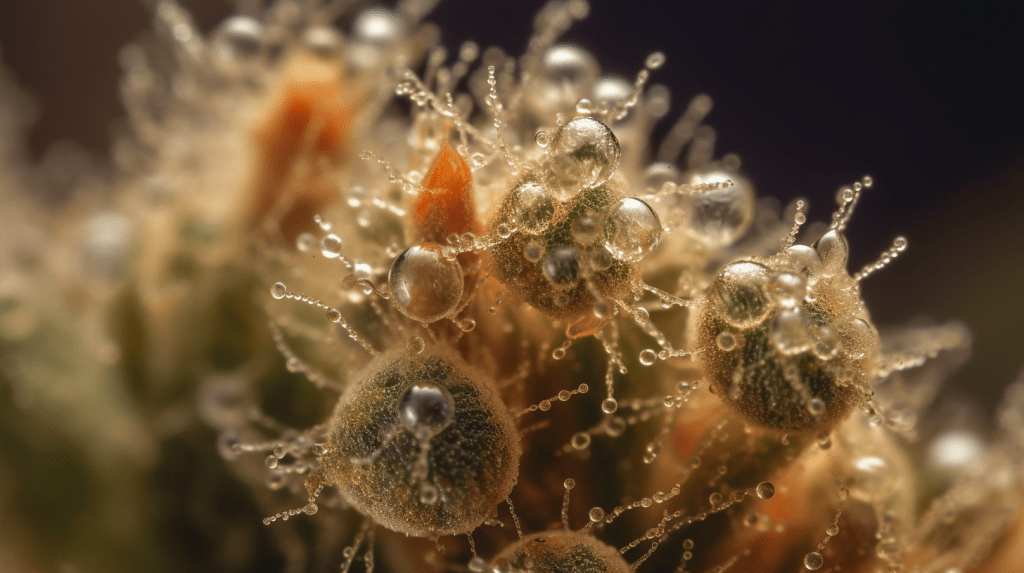
Key Indicators for Knowing When to Harvest
1. Trichome Development: The Most Reliable Indicator
Trichomes are the tiny, crystal-like structures that coat the buds and sugar leaves of your cannabis plants. These are where the majority of cannabinoids (like THC and CBD) and terpenes (which give cannabis its flavor and aroma) are produced. Examining trichomes is one of the best ways to determine the right harvest time.
To get a close look at your trichomes, you’ll need a magnifying tool like a jeweler’s loupe (at least 40x magnification) or a handheld microscope. Here’s what to look for:
- Clear Trichomes: If the trichomes are clear, your plant is still developing. The cannabinoids haven’t fully matured, so it’s not time to harvest yet.
- Cloudy/Milky Trichomes: When the majority of trichomes turn cloudy or milky, your plant is approaching its peak potency. This is typically the best time to harvest if you’re looking for a balanced high with strong psychoactive effects.
- Amber Trichomes: When around 20-30% of the trichomes turn amber, the THC is beginning to degrade into CBN, which produces more sedative effects. If you prefer a more relaxing, couch-lock high, you may want to wait until more trichomes turn amber before harvesting.
Most growers aim to harvest when trichomes are mostly cloudy with a small percentage of amber trichomes, striking the perfect balance between potency and relaxation.
2. Pistil Color: A Visual Cue
Another method to determine if it’s time to harvest is by observing the pistils (the hair-like structures on your buds). As your plant matures, the pistils will change color and curl inward.
- White/Light Pistils: If most of the pistils are still white and standing straight, it’s too early to harvest. The buds are still developing.
- Orange/Brown Pistils: When the majority of pistils (around 70-90%) have turned orange or brown and curled inwards, your plant is likely ready for harvest. However, this method is less precise than examining trichomes, as pistil color can sometimes change due to environmental factors.
While checking pistil color is a quick and easy method, it’s best to use it alongside trichome inspection for a more accurate harvest window.
Other Signs Your Cannabis Is Ready for Harvest
3. Leaf Color and Overall Plant Health
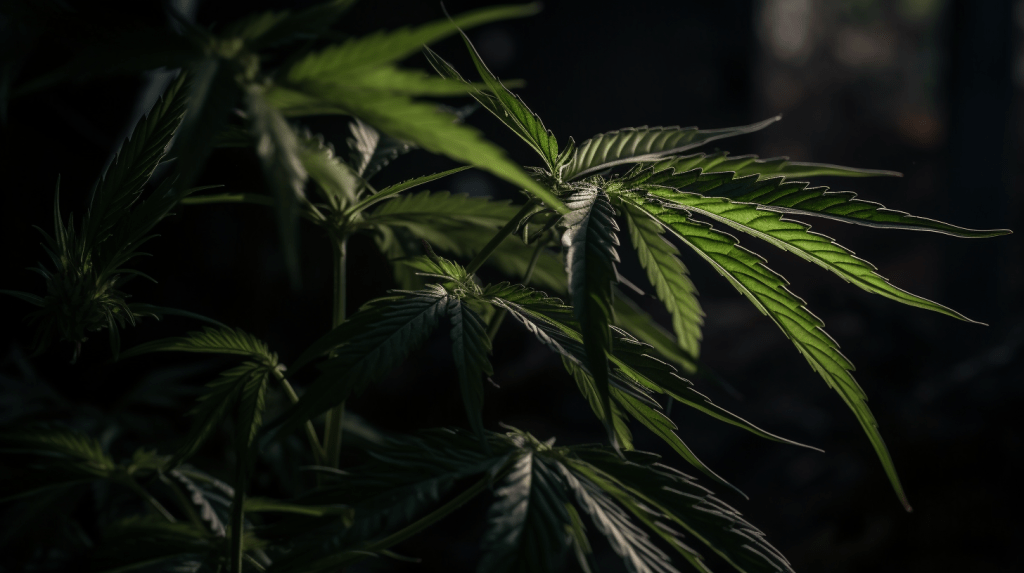
As cannabis plants near the end of their flowering stage, you’ll notice some changes in their fan leaves. Older fan leaves will start to yellow and die off, as the plant redirects its energy to developing the buds. This is a natural part of the process and can be a sign that harvest time is near.
- Fading Leaves: If your plant’s leaves are turning yellow or purple (depending on the strain) and falling off, it’s likely in its final stage of life.
- Nutrient Deficiency: During this period, your plant might show signs of nutrient deficiency. This is common as it depletes the remaining nutrients in the soil to fatten the buds.
However, be careful not to confuse natural leaf yellowing with nutrient problems. If the yellowing happens earlier in the flowering stage, it may indicate a nutrient deficiency rather than a sign of harvest time.
4. Buds Swollen and Dense
In the final weeks of flowering, your cannabis buds will stop growing in height but will swell and thicken. The calyxes (the small structures that make up the buds) become more prominent, and the buds feel dense to the touch. When your buds have fully developed and are sticky and aromatic, this is another strong sign that harvest time is approaching.
- Buds Appearance: The resinous coating of trichomes should be at its peak, giving the buds a frosty look. If the buds are sticky to the touch and have a strong aroma, it’s a good indication that they are ready for harvest.
Tools You’ll Need to Check for Harvest Readiness
To properly assess your cannabis plants and determine if they are ready for harvest, a few tools will make the process easier:
- Jeweler’s Loupe or Handheld Microscope: Essential for getting a close-up view of trichomes. You’ll want a magnification of at least 40x to see whether trichomes are clear, cloudy, or amber.
- Sharp, Clean Scissors or Pruners: Once you’ve determined that it’s time to harvest, you’ll need sharp scissors or pruners to carefully cut down your plants. Make sure they’re sterilized to avoid introducing bacteria or mold.
Mistakes to Avoid When Harvesting Cannabis
1. Harvesting Too Early
Harvesting your cannabis too early can result in buds that are low in potency and flavor. Early-harvested cannabis often has a higher proportion of clear trichomes, meaning the cannabinoids haven’t fully developed. This can lead to a weaker high and a less enjoyable experience overall. You may also notice that the buds don’t have the density and stickiness that comes with fully mature plants. Waiting until the trichomes are at least cloudy will ensure you get the most out of your harvest.
2. Harvesting Too Late
Waiting too long to harvest can be just as problematic. Once the trichomes turn mostly amber, the THC in the plant has started to degrade into CBN (Cannabinol), which produces a more sedative, couch-lock effect. While this might be desirable for some users looking for a more relaxing high, too much CBN can diminish the intensity of the psychoactive effects that most cannabis enthusiasts seek. Additionally, the flavors and aromas of the buds may also start to fade as terpenes degrade over time.
3. Not Flushing the Plants Before Harvest
Flushing your plants is a key step in the weeks leading up to harvest. Flushing involves watering your plants with plain water (no nutrients) for about 1–2 weeks before you plan to harvest. This helps remove any residual nutrients or chemicals from the soil and ensures that your buds won’t have a harsh or chemical aftertaste when smoked. Forgetting to flush can result in a bitter or unpleasant taste in your final product.
4. Ignoring the Environment During Drying and Curing
While this step comes after the actual harvest, it’s important to mention here. After you’ve cut your plants, you need to dry and cure them properly to preserve the potency and flavor of the buds. The drying and curing process allows moisture to leave the buds slowly, preserving the terpenes and preventing mold. Improper drying can lead to moldy buds, and curing too quickly can result in harsh smoke. A slow, controlled environment is key.
Step-by-Step Harvesting Guide
Now that you know the signs to look for and the mistakes to avoid, here’s a simple step-by-step guide to harvesting your cannabis plants:
1. Examine the Trichomes
Using a jeweler’s loupe or microscope, check the trichomes on the buds. Look for mostly cloudy trichomes with around 20-30% amber for a balanced high. If you prefer a more sedative effect, you can wait until more trichomes turn amber.
2. Check the Pistils
Double-check the pistils on your buds. If around 70-90% of the pistils have turned brown or orange and curled inward, this indicates that the plant is in its final stages of development and is likely ready for harvest.
3. Flush the Plants (1-2 Weeks Before Harvest)
If you haven’t already, begin flushing your plants with plain water about 1–2 weeks before the anticipated harvest. This removes any built-up nutrients or chemicals and ensures a smoother smoke.
4. Prepare Your Tools
Make sure your scissors or pruners are sharp and sterilized. Clean tools are essential for cutting the plants cleanly without introducing bacteria or mold.
5. Cut the Plants at the Base
Cut your cannabis plants at the base of the stem, right above the soil. You can harvest the entire plant at once or take it down in sections, depending on your setup.
6. Trim the Leaves
After cutting, begin trimming off the fan leaves (the larger leaves that grow from the stems). You can leave the smaller sugar leaves (the tiny leaves around the buds) for now, as they’ll protect the buds during drying.
7. Hang the Plants to Dry
Hang your freshly cut plants upside down in a cool, dark space with good airflow. Keep the temperature between 60-70°F (15-21°C) and humidity around 45-55%. This allows the buds to dry slowly, preserving their potency and flavor. Drying typically takes about 7-14 days, depending on your environment.
8. Cure the Buds
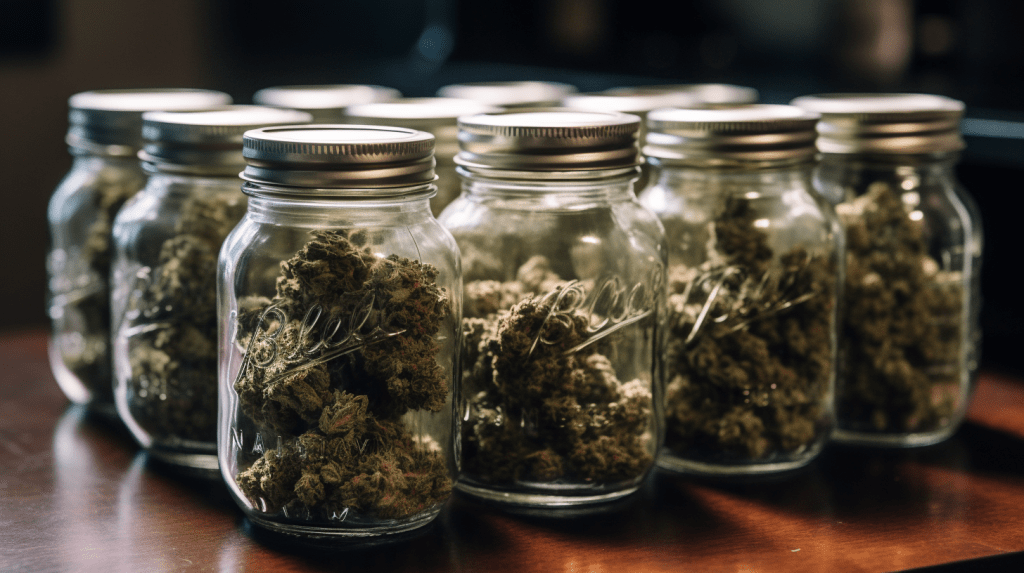
Once the buds feel dry to the touch but still have some slight moisture inside, they’re ready to be cured. Trim any remaining sugar leaves and place the buds in airtight glass jars. Store the jars in a dark, cool place and open them for a few minutes each day (known as “burping”) to release any trapped moisture. Curing usually takes about 2–4 weeks, but many growers prefer to cure for longer for even better flavor.
Conclusion: Timing Your Harvest for the Best Results
Harvesting your cannabis plants at the right time is an art that requires patience, observation, and a little bit of science. By carefully monitoring the trichomes, pistils, and overall health of your plants, you can make sure you’re harvesting your cannabis at its peak potency and flavor. Don’t rush the process, and always remember that the curing stage is just as important as the harvest itself. With these tips and best practices, you’ll be well on your way to a successful homegrown harvest that you can be proud of.
Happy growing!

 CANMO
CANMO 
Leave a comment