If you’re growing cannabis at home, you’ve probably noticed that your plants go through subtle changes throughout the day. One common observation among growers is that cannabis plants often droop or “relax” at night. While this might seem alarming, nighttime drooping is actually a natural part of your plant’s circadian rhythm. Understanding why cannabis plants droop at night and whether this behavior is normal can help you better care for your crop and maximize its potential.
In this article, we’ll dive into the reasons behind nighttime drooping in cannabis plants, explore what is considered healthy, and offer tips on ensuring your plants are thriving, day and night. So, let’s get into the science behind this fascinating behavior.
Do Cannabis Plants Naturally Droop at Night?
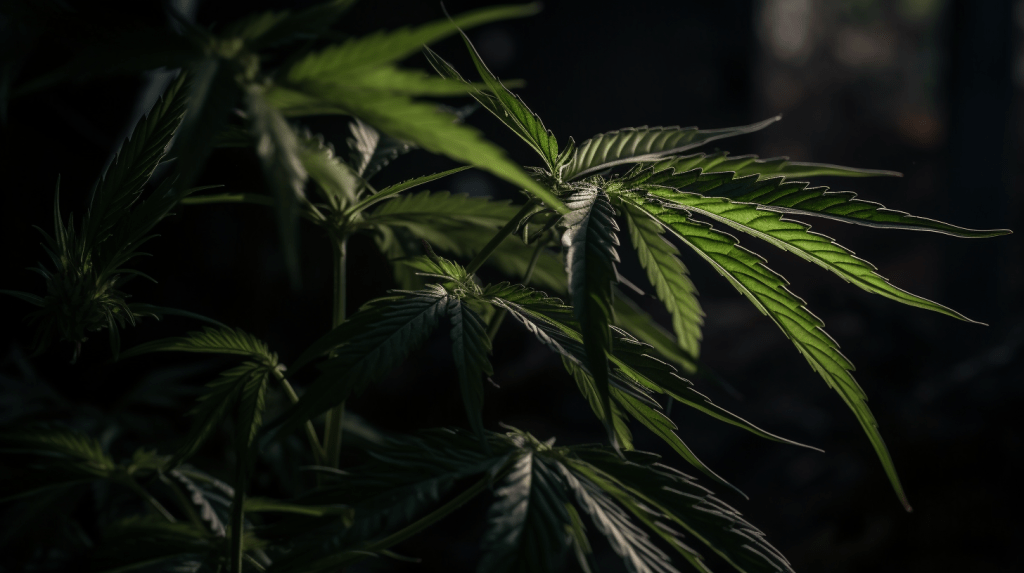
Yes, it is completely normal for cannabis plants to droop at night. This phenomenon, known as nyctinasty, is common in many plants and is part of their natural growth cycle. Nyctinasty is a plant’s natural response to the light and dark cycle, also known as its circadian rhythm. During the day, cannabis plants stay upright, maximizing their exposure to light. At night, they relax and droop slightly as they prepare to conserve energy and direct it toward root growth and other processes that occur during the dark period.
Cannabis plants are incredibly responsive to their environment, and the light-dark cycle has a big influence on their daily rhythms. While a slight drooping at night is usually no cause for concern, excessive drooping could indicate other issues, such as overwatering, nutrient deficiencies, or poor environmental conditions.
Why Do Cannabis Plants Droop at Night?
The drooping you see at night is part of your cannabis plant’s natural circadian rhythm. Like humans, plants have internal biological clocks that regulate various functions based on the time of day. Here’s a breakdown of why this nighttime relaxation happens.
1. Conserving Energy for Growth
Cannabis plants spend most of the day photosynthesizing, which is the process by which they convert light into energy. This energy is used for growth, nutrient uptake, and other essential functions. During the night, when photosynthesis is no longer possible, the plant directs its energy toward root development and other growth activities that don’t require light.
Drooping at night is part of this energy conservation process. By relaxing their leaves, plants reduce unnecessary energy expenditure and shift their resources to where they’re needed most.
2. Root Growth and Nutrient Absorption
At night, cannabis plants focus on root growth and nutrient absorption, essential processes that lay the foundation for a healthy, productive plant. By shifting their energy from photosynthesis to root development, the plant ensures it has a strong, efficient root system capable of supporting lush foliage and heavy buds.
Roots also expand at night to reach nutrients and water in the soil, especially if your plants are growing in pots where root space is limited. This focus on root growth is critical to preparing the plant for the next day’s light cycle and continued development.
3. Circadian Rhythm and Nyctinasty
Plants have an internal clock that follows a 24-hour cycle, just like we do. This cycle is regulated by a variety of environmental signals, including light, temperature, and even humidity. The process of nyctinasty, or the nighttime movement of leaves, is driven by this circadian rhythm.(Role of Circadian Rhythms in Major Plant Metabolic and Signaling Pathways)
This rhythm signals the plant to relax and lower its leaves as night falls. While this might look like drooping to the untrained eye, it’s simply the plant entering a “resting” phase in preparation for the next day.
Normal vs. Problematic Drooping
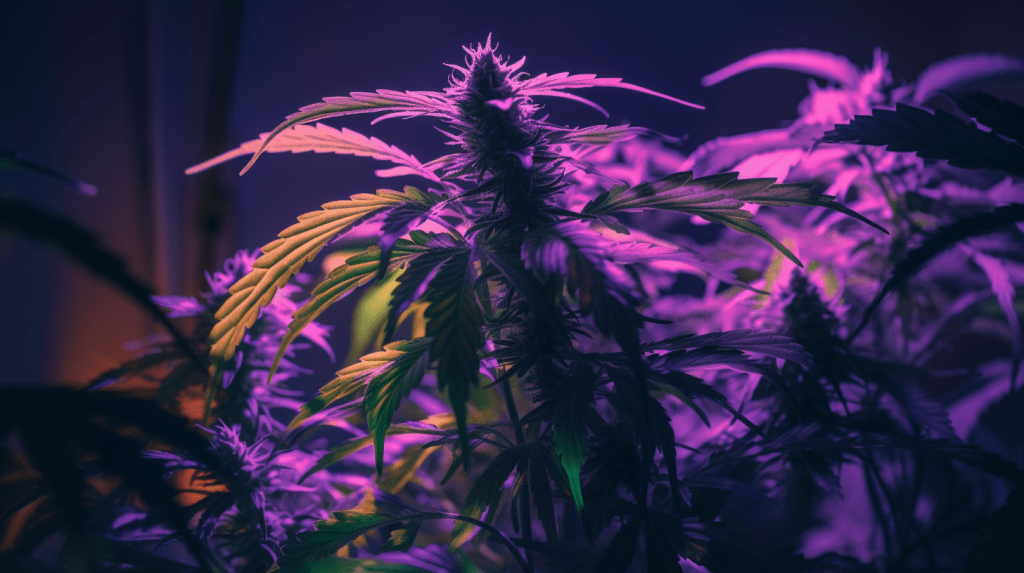
While nighttime drooping is generally normal, excessive drooping during the day or drooping that seems extreme at night could be a sign of underlying issues. Here are some key factors to consider when determining if your plant’s drooping is normal or if it needs attention.
1. Timing of Drooping
Nighttime drooping should start gradually as the light cycle shifts into the dark period. If your plant begins to droop excessively in the middle of its light cycle, it may be a sign of water stress, nutrient imbalance, or root issues. Drooping during the day often points to environmental stress rather than the plant’s natural rhythm.
2. Watering Practices
Overwatering and underwatering are common causes of unusual drooping. Overwatered plants will appear limp and heavy, while underwatered plants will have drooping, wilting leaves that feel dry to the touch. Ensuring your plants receive the right amount of water is essential for preventing unnecessary stress.
Tips for Watering:
- Allow the top inch of soil to dry out before watering again.
- Ensure pots have good drainage to avoid waterlogged roots.
- Use a watering schedule that matches the needs of your plants at each growth stage.
3. Environmental Conditions
Temperature and humidity play a major role in how your cannabis plants respond to their environment. High temperatures or low humidity levels can cause drooping due to increased transpiration, as plants lose water to cool down. Ideally, keep temperatures around 70-85°F (20-29°C) and humidity between 40-60% during the vegetative and flowering stages.
How to Support Your Cannabis Plants Through Day and Night
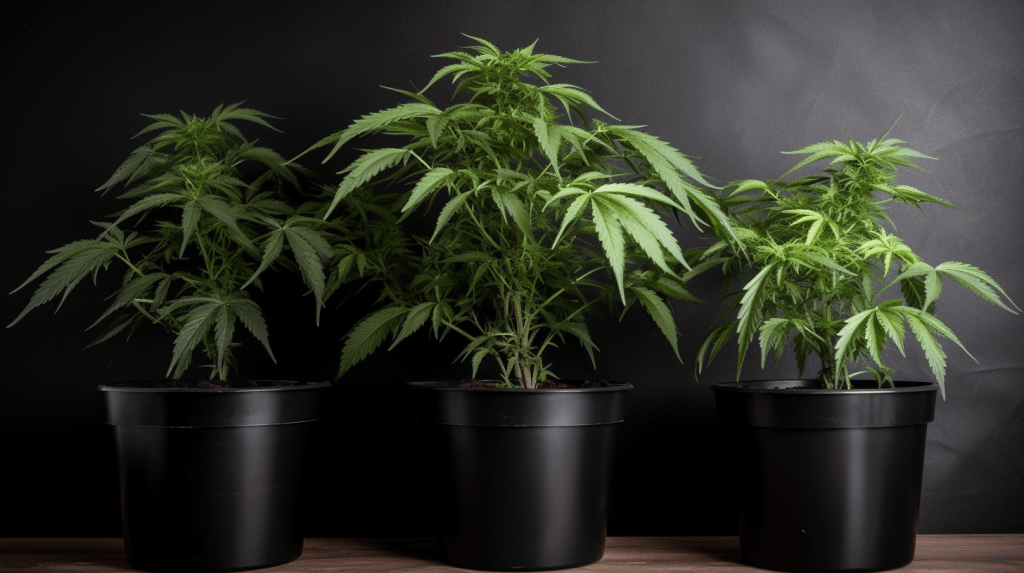
Understanding your cannabis plant’s natural rhythms can help you create an environment that supports healthy growth both day and night. Here are some key practices to keep your plants in top condition:
1. Maintain a Consistent Light Schedule
Keeping a consistent light schedule is crucial for indoor growers. During the vegetative stage, cannabis plants need 18-24 hours of light to maximize growth. When transitioning to the flowering stage, switch to a 12 hours light / 12 hours dark schedule to encourage bud production. This consistent light-dark cycle helps regulate the plant’s internal clock.
2. Choose the Right Lighting
Quality lighting is essential, especially for indoor growers. LED grow lights provide a full spectrum of light, mimicking natural sunlight and promoting healthy growth. Make sure lights are placed at an optimal distance from your plants to prevent light stress, which can also cause unusual drooping.
3. Optimize Airflow and Humidity
Good airflow ensures your plants get fresh air, which prevents mold and pests. Keep humidity levels in the optimal range for each stage of growth and adjust ventilation accordingly. A balanced environment helps plants manage water loss and avoid unnecessary stress.
Common Questions About Cannabis Drooping at Night
Q: Should I worry if my cannabis plants droop at night?
A: No, slight drooping at night is normal. Cannabis plants enter a “resting” phase at night, conserving energy and focusing on root growth. However, excessive drooping or drooping during the day could indicate a problem.
Q: Can drooping at night affect bud quality?
A: Not at all. Nighttime drooping is part of a healthy growth cycle and doesn’t impact bud quality. As long as you maintain optimal conditions, your plants will continue to produce potent, high-quality buds.
Q: Does drooping mean my plants need water?
A: Not necessarily. Drooping caused by overwatering or underwatering is different from natural nighttime drooping. Check the soil moisture before watering, and adjust your watering schedule based on the plant’s needs.
Conclusion: Embrace the Nighttime Rhythm of Your Cannabis Plants
Cannabis plants are fascinating in the way they respond to their environment, and nighttime drooping is just one of the many natural behaviors they exhibit. While it’s normal to see some relaxation as the lights go off, keeping an eye on other factors like watering, light cycles, and environmental conditions will help ensure your plants remain healthy and thriving.
By understanding your plant’s natural rhythms, you can create an environment that supports both daytime growth and nighttime recovery. With a little attention to detail, your cannabis plants will reward you with healthy leaves, strong roots, and, ultimately, a satisfying harvest.
Happy growing!

 CANMO
CANMO 
Leave a comment