If you’re thinking about growing your own cannabis at home, it’s really important to prepare. I’m still new to this myself, but I’ve learned that starting off on the right foot makes a big difference. When I decided to try home growing, I spent a lot of time researching and learning to make sure I was ready to get started.
Research is Essential
Before you buy anything, take the time to understand the process of growing cannabis. The internet is filled with resources that can guide you through every step of the way. From expert advice to community forums, these sites offer a wealth of information that will help you make informed decisions. I relied heavily on these resources to educate myself about what to expect, what I needed, and how to avoid common pitfalls.
Here are some websites I found really informative and helpful for understanding the general growing process and preparation.
- How To Grow Weed Indoors: Detailed Step-By-Step Guide for Beginners
- Grow weed easy
- How to Plant Cannabis Seeds Indoors
Investing in the Right Equipment
Once you’ve done your research, it’s time to invest in the necessary equipment.
These items can be easily found online, and I personally purchased mine from Amazon. Investing in quality equipment will save you headaches down the road and ensure that your plants have the best chance to thrive.
Here’s a quick rundown of the essential items you’ll need to get started:
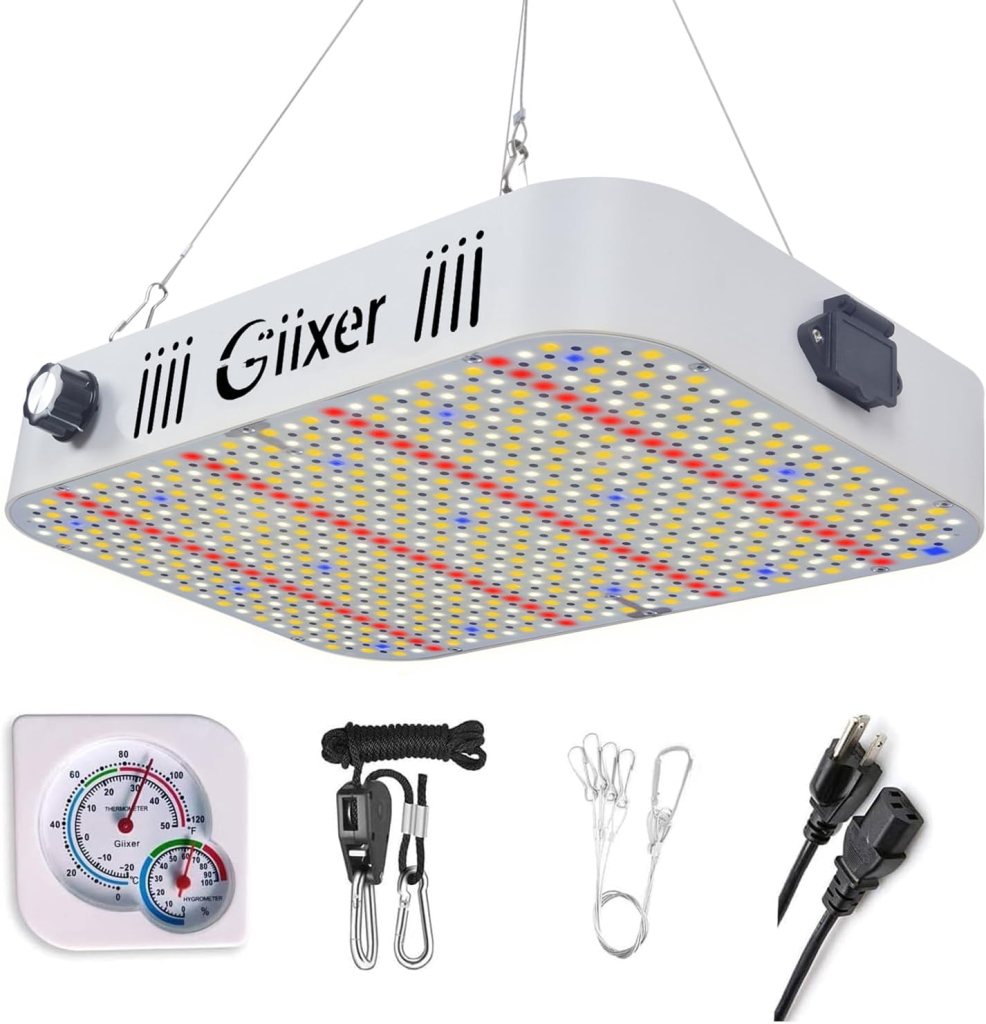
- LED Light: Lighting is crucial for the growth and health of your plants. LED lights are energy-efficient and provide the full spectrum of light that cannabis plants need.
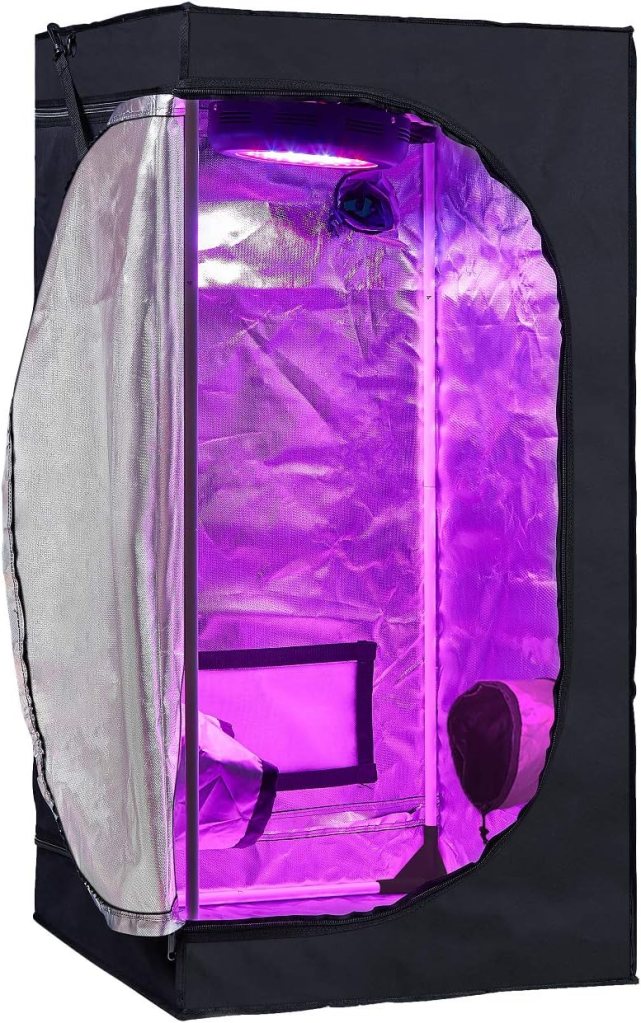
- Grow Tent: A grow tent creates a controlled environment for your plants, helping you manage light, temperature, and humidity levels effectively.
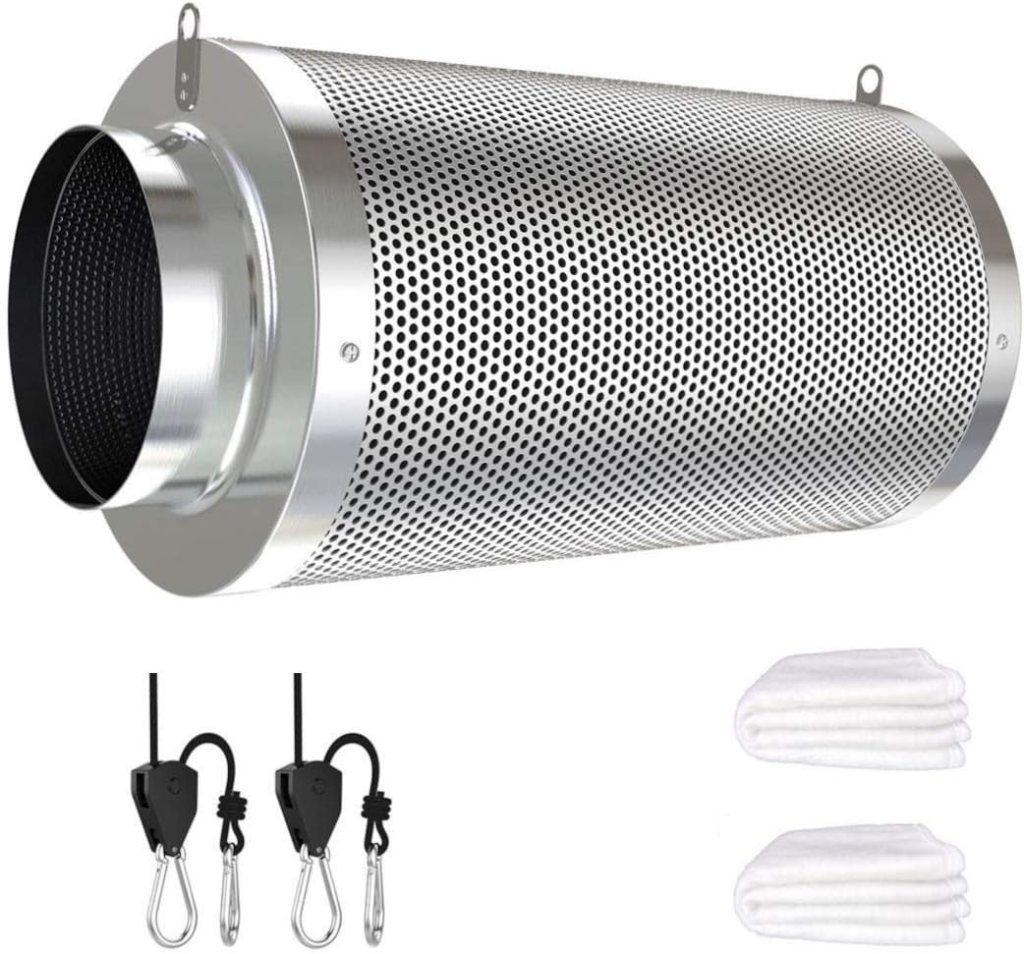
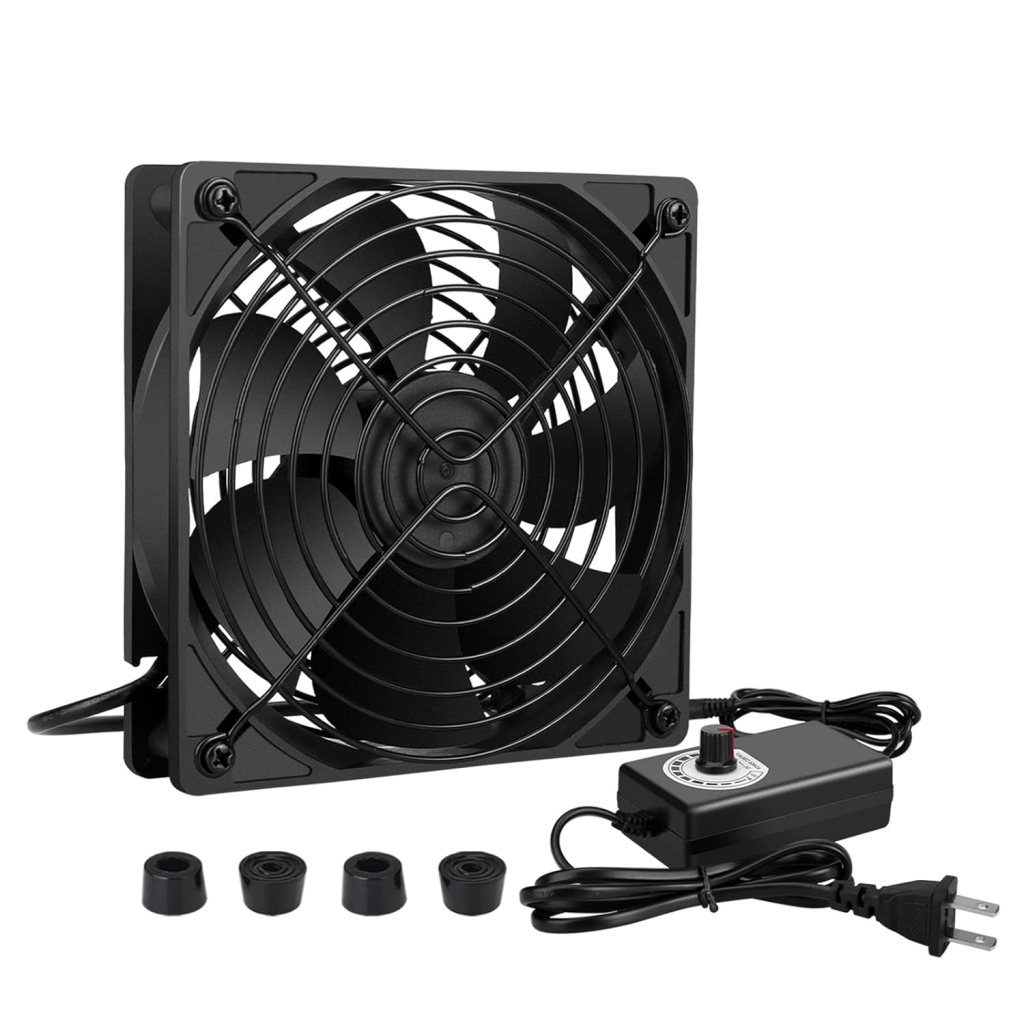
- Ventilation System: Proper airflow is vital for maintaining the right conditions in your grow tent. A good ventilation system helps regulate temperature and prevents mold and mildew from developing.
- Thermometer and Hygrometer: Monitoring the temperature and humidity levels in your grow space is essential for creating the optimal environment for your plants.(It came with my LED light, so I didn’t have to buy it separately.)
Choosing the Right Seeds
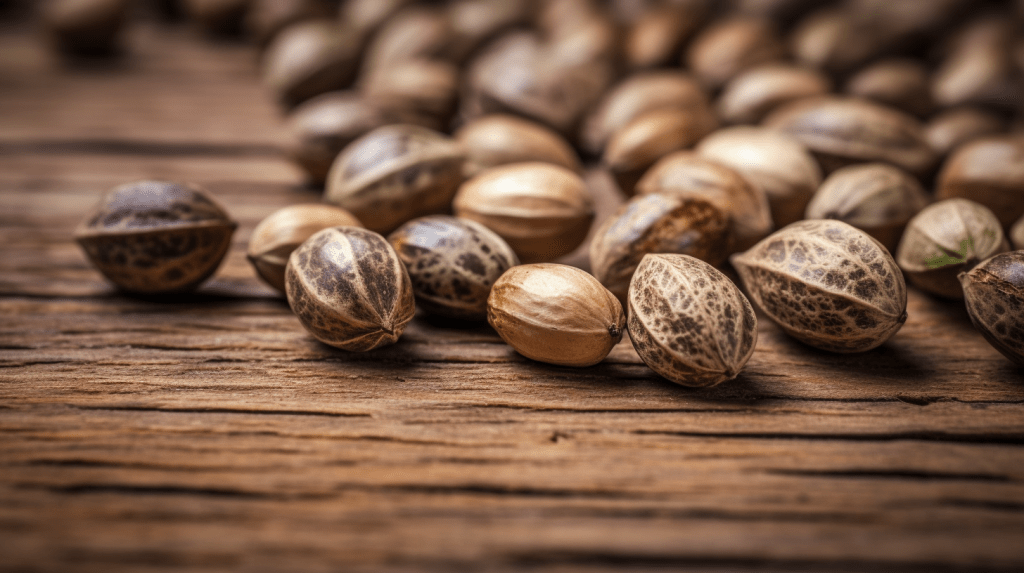
After setting up your grow space, the next step is choosing your seeds. Selecting the right seeds is crucial because they will determine the quality and type of cannabis you’ll be growing.
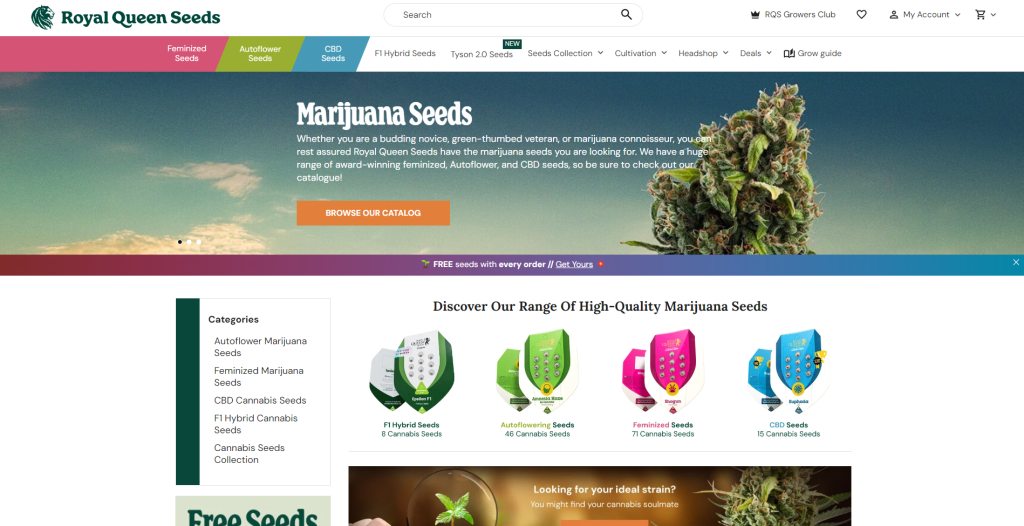
I spent time researching different seed banks and finally settled on one that seemed reputable, organized, and trustworthy. It’s essential to choose a supplier that you can rely on, as the last thing you want is to fall victim to a scam where your seeds never arrive.
You can find many options by simply searching for “cannabis seeds” or “weed seeds” online. Make sure to read reviews and do your due diligence before making a purchase.
How to Choose the Right Cannabis Seed Types
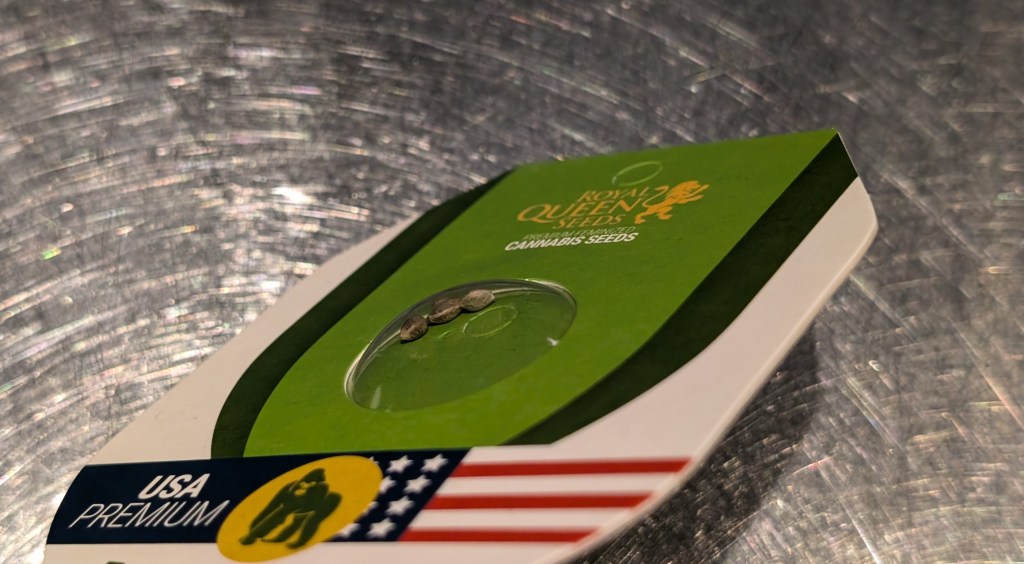
Choosing the right cannabis seed type is one of the most important decisions for home growers. Whether you’re a beginner or experienced grower, picking the right seeds will set the tone for your entire grow. There are a few key things to consider, from the type of strain to the seed variety and the effects you’re looking for. Let’s break down how to choose the perfect cannabis seeds for your grow.
1. Feminized vs. Regular Seeds
One of the first decisions you’ll make is whether to grow feminized or regular seeds.
- Feminized Seeds: These seeds are genetically designed to produce female plants, which are the ones that grow buds. If you’re growing for consumption, feminized seeds are the easiest choice.
- Regular Seeds: These can produce either male or female plants. Male plants are usually discarded since they don’t produce buds, but regular seeds are great if you’re looking to breed your own plants.
2. Indica vs. Sativa vs. Hybrid
Next, consider the type of strain:
- Indica: Known for its relaxing, body-high effects, Indica strains are great for nighttime use and managing stress or pain.
- Sativa: Offering an uplifting, energizing high, Sativas are perfect for daytime use or when you want to stay focused and creative.
- Hybrid: A mix of both Indica and Sativa, hybrids offer balanced effects and are versatile for different times of day.
3. Autoflowering vs. Photoperiod Seeds
- Autoflowering Seeds: These are beginner-friendly because they flower automatically without needing strict light schedules. They tend to grow faster but may yield less.
- Photoperiod Seeds: These require specific light cycles (12 hours of light and 12 hours of darkness) to start flowering. While they take more time and effort, they usually produce larger yields.
Choosing the right cannabis seed type depends on your growing environment, goals, and experience level. By understanding the differences between seed types, you can set yourself up for a successful grow.
How to Prepare and Choose the Soil and Pot for Cannabis Home Growing (Indoor and Outdoor)
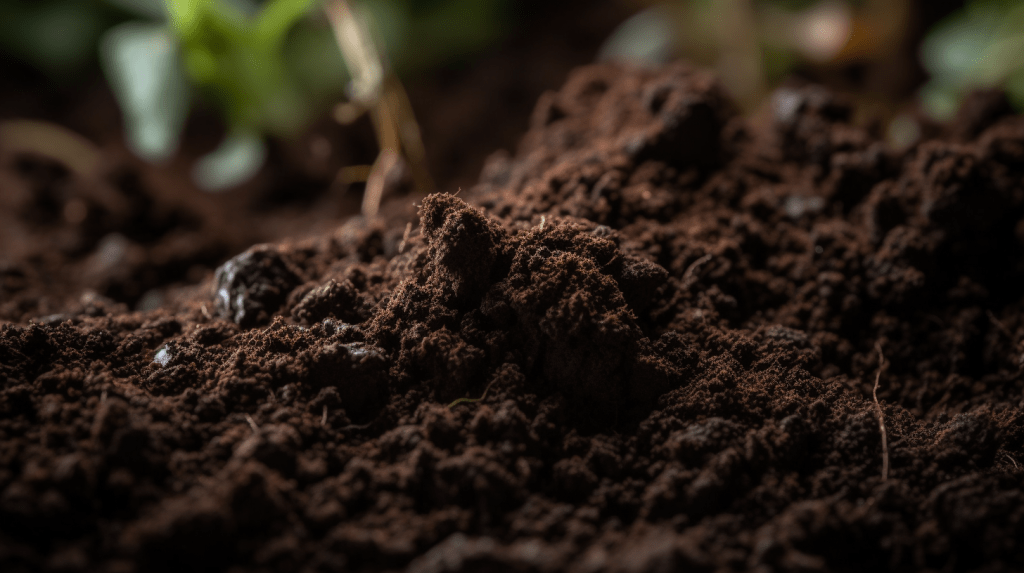
Selecting the right soil and pot for your cannabis plants is essential for a healthy grow, whether you’re cultivating indoors or outdoors. Different growing environments have different needs, so let’s dive into the best soil types, pot choices, and preparation techniques to set up your plants for success.
Choosing the Right Soil for Cannabis
The soil you choose should be well-draining, nutrient-rich, and aerated, allowing roots to access oxygen and nutrients easily. Here’s what to consider based on your growing environment:
Indoor Soil Selection
For indoor growing, it’s important to use soil specifically designed for cannabis or high-quality potting soil. Many indoor growers prefer soilless mixes or light potting soil with added perlite for better aeration.
- Organic Soil: Look for organic soil mixes that contain compost, worm castings, and other natural amendments for added nutrients. Organic soil promotes healthy growth without the need for additional nutrients early on.
- Soilless Mixes: These often contain peat moss, perlite, and vermiculite, providing excellent drainage and root aeration for indoor grows.
Outdoor Soil Selection
Outdoor cannabis plants require soil that retains enough moisture to keep roots hydrated while also draining well. Look for soils rich in organic matter and natural minerals, as outdoor plants benefit from a higher nutrient content.
- Loamy Soil: Loamy soil is ideal for outdoor cannabis growing due to its balance of sand, silt, and clay, which holds moisture while providing good drainage.
- Compost-Enriched Soil: Adding compost or other organic matter improves soil fertility, structure, and water retention, giving outdoor plants the boost they need.
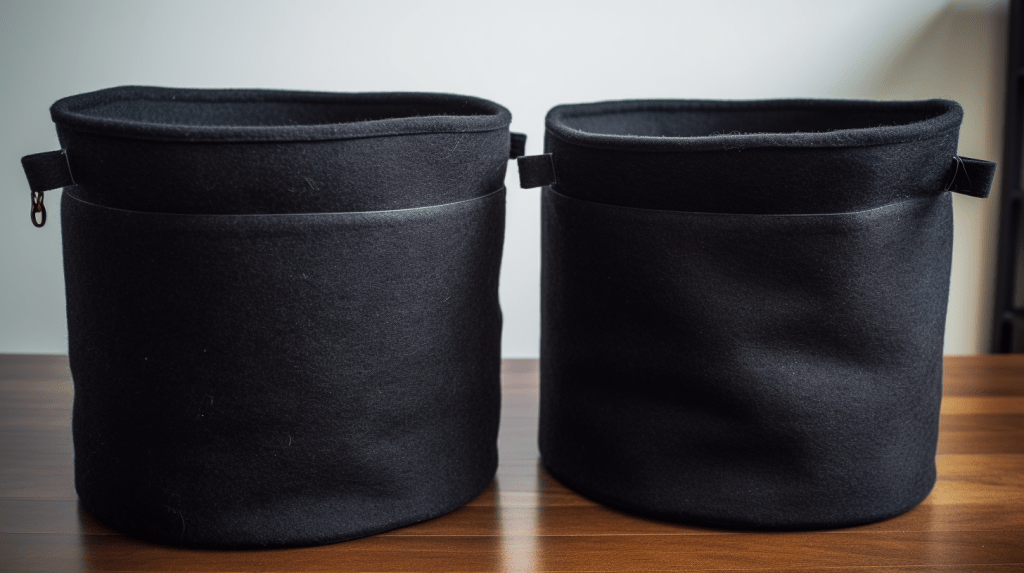
Choosing the Right Pot for Cannabis
The pot you select should provide adequate space for the roots and allow for proper drainage. Here are some popular pot choices for indoor and outdoor cannabis growing:
Indoor Pot Options
- Fabric Pots: These breathable pots encourage air pruning, which prevents roots from circling the pot and promotes a healthier root structure. Fabric pots are excellent for indoor use as they allow better oxygen flow to the roots.
- Plastic Pots with Drainage Holes: Affordable and easy to find, plastic pots work well indoors if they have adequate drainage. Make sure to monitor watering closely, as plastic pots can retain more moisture.
Outdoor Pot Options
- Large Fabric Pots or Smart Pots: For outdoor growers, larger fabric pots allow plants to grow bigger without restricting root space. They’re lightweight and breathable, making them easy to move if needed.
- Wooden Containers or Raised Beds: For a more permanent outdoor setup, wooden containers or raised beds provide ample space for roots to spread. These containers also offer better temperature regulation and drainage.
Preparing the Soil and Pot for Planting
Once you’ve selected your soil and pot, it’s time to prepare them for planting to ensure an optimal start for your cannabis plants.
Indoor Soil and Pot Preparation
- Fill the Pot with Soil: Place a layer of soil mix in your pot, leaving about an inch of space at the top. If using organic or amended soil, this layer will provide initial nutrients.
- Add Perlite or Vermiculite: For better drainage and aeration, mix in 20-30% perlite or vermiculite to the soil. This helps prevent waterlogging, which is especially important for indoor grows.
- Pre-Water the Soil: Moisten the soil slightly before planting to create a welcoming environment for your seedlings. Avoid overwatering, as cannabis prefers a wet-dry cycle.
Outdoor Soil and Pot Preparation
- Prepare the Site or Container: If you’re growing directly in the ground, prepare the planting area by loosening the soil and adding organic compost. For outdoor pots, fill them with loamy, well-draining soil.
- Add Organic Amendments: Mix in compost, bat guano, or other organic fertilizers to boost the soil’s nutrient profile. Outdoor plants need more nutrients due to their larger size and exposure to environmental stressors.
- Check Drainage: For pots, ensure there are adequate drainage holes to allow excess water to escape, preventing root rot and mold.
Conclusion
Starting your own cannabis garden can be an exciting and rewarding experience. From researching the process to investing in the right equipment and choosing quality seeds, soil and pots each step plays a vital role in ensuring a successful grow. Stay tuned for the next part of this series, where I’ll guide you through the next stages of the growing process.
I’m just starting out as a grower, so I’d love to hear your thoughts or feedback on my journey. Please leave a comment below!
Happy growing!


 CANMO
CANMO 
Leave a reply to How to Start Growing Weed at Home Part 4: Harvesting – CANMO Cancel reply