Cannabis is increasingly becoming a part of everyday life for many people, especially in states like California where its recreational use is legal. But with its rise in popularity comes a set of persistent questions, one of the most debated being: does marijuana cause memory loss? Like most topics surrounding cannabis, there’s a lot of confusion, misinformation, and even a bit of fear. So, let’s dig into the science behind cannabis and memory, and clear up some of the misconceptions.
Q: Does marijuana cause memory loss?
A: Marijuana can temporarily affect short-term memory, particularly while you are under the influence, but long-term memory loss is less likely with moderate use. The effects on memory largely depend on factors like dosage, strain, and frequency of use.
The Short Answer: Can Weed Affect Your Memory?
Yes, marijuana can affect your memory, but it’s not as straightforward as the anti-cannabis rhetoric might make it seem. Cannabis, particularly its psychoactive component THC (tetrahydrocannabinol), can impair short-term memory during intoxication, but it doesn’t necessarily cause long-term memory loss for most users. Let’s break this down further into the different types of memory and how cannabis affects each.
Types of Memory: Short-Term vs. Long-Term Memory
To understand how marijuana affects memory, we first need to clarify the difference between short-term and long-term memory.
- Short-term memory: Also known as working memory, this type of memory is responsible for holding information for a brief period—think about remembering a phone number just long enough to dial it. This is the type of memory most affected by marijuana.
- Long-term memory: This type of memory stores information over a prolonged period, allowing you to remember things like important life events, facts, and skills. Long-term memory is less likely to be significantly impacted by casual marijuana use.
How Marijuana Affects Short-Term Memory
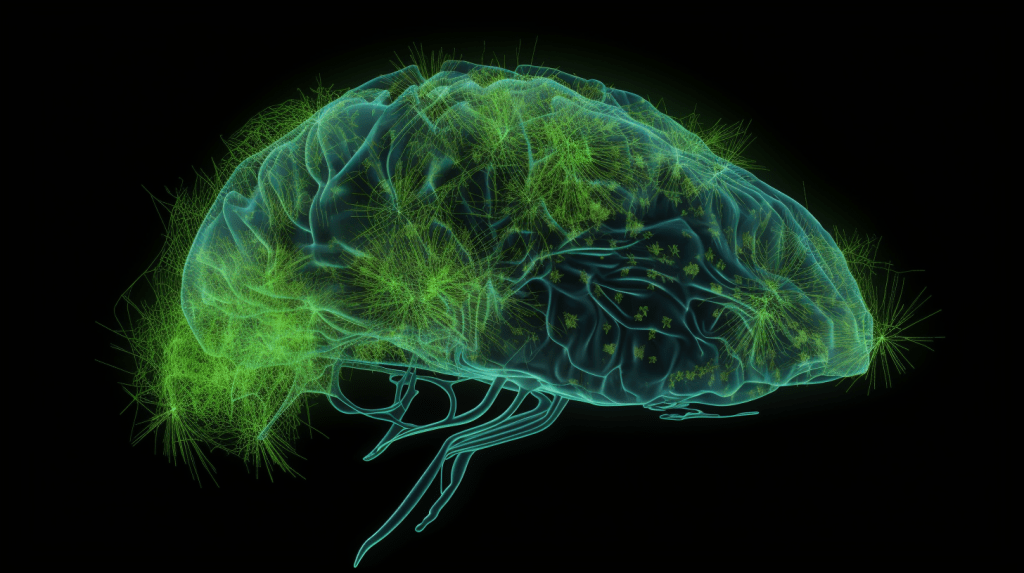
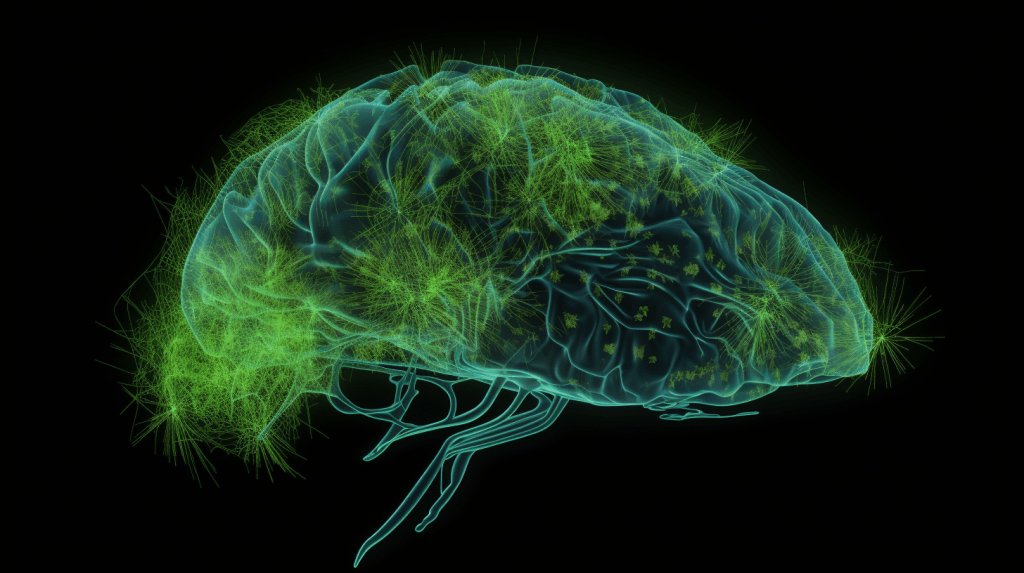
The active ingredient in cannabis, THC, interacts with the brain’s endocannabinoid system, particularly the CB1 receptors located in areas related to memory and cognition, like the hippocampus. This is where we start to see an impact on short-term memory.
When you’re high, THC can temporarily impair your ability to retain new information. You may find yourself forgetting what you were just talking about, struggling to remember a simple task, or having trouble focusing on new information. These effects are typically temporary and are directly related to how much THC you’ve consumed. Once the high wears off, most people return to their normal memory function.
This short-term memory impairment can be frustrating, especially in situations that require focus or learning. That said, occasional marijuana use is unlikely to have lasting effects on your short-term memory after the THC has left your system. So, if you’re a regular but moderate user, the occasional lapse in memory while high isn’t necessarily a sign of long-term damage.
Does Marijuana Cause Long-Term Memory Loss?
Now let’s tackle the bigger question: does long-term marijuana use cause lasting memory loss? The answer isn’t black and white.
While short-term memory can be affected while under the influence, long-term memory impairment from cannabis use is less common. Some studies suggest that chronic, heavy marijuana use, particularly if started at a young age, may lead to subtle long-term memory issues. However, these effects tend to be mild and may be reversible after a period of abstinence from cannabis.
For example, a study published in JAMA Internal Medicine in 2016 found that middle-aged adults who reported daily or near-daily cannabis use over a span of five years had slightly worse verbal memory than non-users. However, their other cognitive abilities, such as executive function and attention, were not significantly affected. It’s worth noting that this study didn’t show a cause-and-effect relationship, only a correlation.
The long-term impact of cannabis on memory can depend on several factors, including:
- Age at first use: The adolescent brain is still developing, and cannabis use during this critical period may lead to more pronounced effects on long-term memory. This is because THC can disrupt the natural endocannabinoid system, which plays a role in brain development during adolescence.
- Frequency and amount of use: Heavy, long-term use may increase the risk of developing memory issues, while occasional or moderate use is less likely to have significant long-term effects.
- Individual differences: Genetics, lifestyle, and other health factors can also influence how cannabis affects a person’s memory.
Reversibility: Can Memory Loss Be Recovered?
Here’s some good news: for most people, any memory issues caused by marijuana use are reversible. Research suggests that after a period of abstinence from cannabis, the brain can recover much of its cognitive function, including memory. The length of time it takes for these effects to reverse depends on how much and how often you’ve used cannabis, but most studies suggest that cognitive abilities improve within weeks to months of stopping use.
In a study published in Drug and Alcohol Dependence, researchers found that verbal memory and attention improved in former cannabis users after just one week of abstinence, with even greater improvements after one month. This shows that the brain has a remarkable ability to recover, even after years of frequent use.
THC vs. CBD: Not All Cannabinoids Are the Same
It’s important to note that not all cannabinoids have the same effects on memory. While THC can impair short-term memory, CBD (cannabidiol), another compound found in cannabis, may actually have protective effects on the brain.
CBD is non-psychoactive, meaning it doesn’t cause a “high” and doesn’t impair memory in the way THC does. In fact, some studies suggest that CBD may counteract the memory-impairing effects of THC and could even have neuroprotective properties, potentially helping to protect the brain from damage caused by injury or neurodegenerative diseases like Alzheimer’s.
This distinction is crucial for those looking to use cannabis for its therapeutic benefits without risking memory impairment. Choosing strains that are higher in CBD and lower in THC, or using CBD-only products, may be a good option for individuals concerned about memory loss.
The Role of Strain and Dosage
When it comes to marijuana’s effects on memory, strain and dosage matter a lot. Different cannabis strains have varying levels of THC and CBD, which can influence how they affect memory.
- High-THC strains: These strains are more likely to cause short-term memory issues while you’re high, as THC is the compound responsible for these effects.
- High-CBD strains: These strains tend to have less of an impact on memory and may even help mitigate some of the memory-related side effects of THC.
As with most things in life, moderation is key. If you’re concerned about memory loss, starting with a low dose and gradually increasing it as you gauge your tolerance can help minimize any cognitive side effects.
Marijuana and Memory: The Bigger Picture
It’s easy to get caught up in the fear of memory loss when discussing marijuana, but it’s important to put things into perspective. Many substances, including alcohol, nicotine, and certain prescription medications, can also impair memory and cognitive function when used excessively. Cannabis is no different in this regard.
For the average adult who uses marijuana responsibly, the risk of significant, long-term memory loss is relatively low. Short-term memory may be impaired while high, but these effects are temporary and tend to wear off as the THC leaves your system.
That being said, individuals who use cannabis heavily or started using it at a young age may be at a higher risk for memory problems, particularly if their use continues over many years. In these cases, taking a break from cannabis use can help restore cognitive function.
Tips for Protecting Your Memory While Using Cannabis
If you’re a regular cannabis user and want to minimize the risk of memory impairment, here are a few tips to keep in mind:
- Choose high-CBD strains: Opt for cannabis strains that are higher in CBD and lower in THC, especially if you’re using cannabis frequently. This can help reduce the risk of memory-related side effects.
- Moderate your use: As with most things, moderation is key. Try to avoid heavy, chronic use if you’re concerned about memory issues.
- Take breaks: Periodic breaks from cannabis use, sometimes referred to as “tolerance breaks,” can help reset your system and reduce the risk of long-term memory impairment.
- Stay mindful of your environment: Using cannabis in a safe, relaxed environment can help you stay aware of how it’s affecting your memory and cognition.
Conclusion: Does Marijuana Cause Memory Loss?
So, does marijuana cause memory loss? The short answer is that it can impair short-term memory while you’re high, but the effects are usually temporary and reversible. Long-term memory loss is less likely, especially for moderate users, though heavy, prolonged use starting at a young age may pose a higher risk.
If you’re mindful of your usage—choosing the right strains, moderating your intake, and taking occasional breaks—you can enjoy cannabis without significant worry about memory loss. As always, the key is balance and awareness of how your body responds to the plant.
Happy smoking!



 CANMO
CANMO 
Leave a reply to Does Weed Really Make You Lazy? Debunking the Myth and Uncovering the Truth – CANMO Cancel reply