
As a cannabis enthusiast, I’ve always been intrigued by how this plant interacts with our bodies. It’s easy to get caught up in the cultural aspects of marijuana, from social use to its therapeutic benefits. But have you ever wondered what’s really happening in your brain when you light up? Specifically, does weed release dopamine, the feel-good chemical that our brains rely on for pleasure and reward?
Q: Does weed release dopamine?
A: Yes, weed does release dopamine. When you consume cannabis, the THC interacts with your brain’s reward system, causing a moderate increase in dopamine, which leads to feelings of pleasure and relaxation. For a deeper dive into how cannabis affects your brain and dopamine levels, check out the full details below.
In this post, we’ll explore the connection between cannabis and dopamine, how marijuana impacts your brain, and what this means for both recreational users and those seeking relief through medical marijuana.
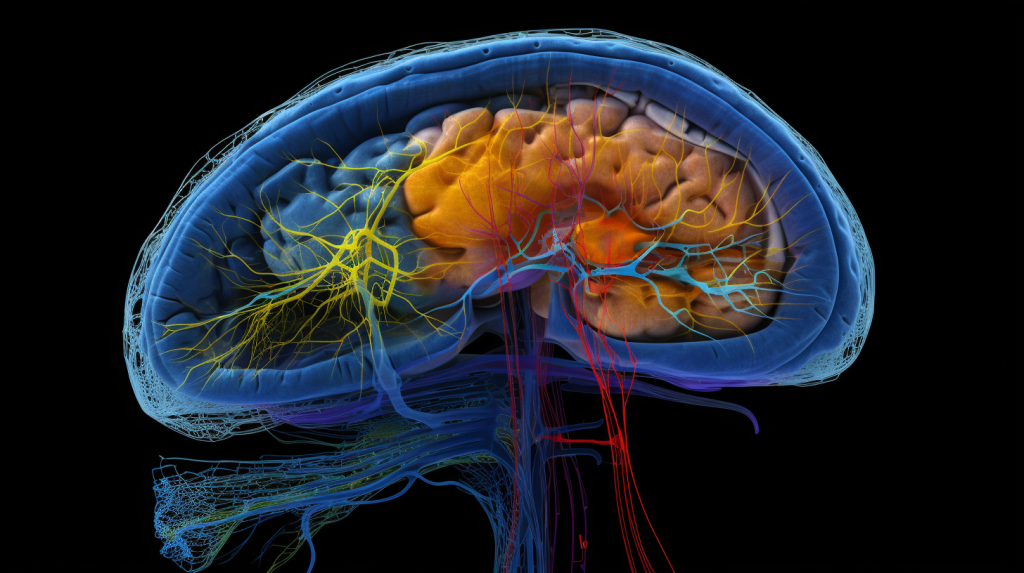
Understanding Dopamine: The Brain’s Reward Chemical
Before diving into how cannabis affects dopamine levels, let’s first understand what dopamine is and why it matters. Dopamine is a neurotransmitter—a chemical messenger in the brain. It’s often called the “reward chemical” because it plays a crucial role in how we feel pleasure. Whether you’re eating your favorite meal, listening to great music, or even achieving a goal, dopamine is at work.
Dopamine is central to many brain functions, including motivation, focus, and mood regulation. It’s what makes you feel good when you accomplish something, and it’s also linked to addiction pathways in the brain. When you engage in a rewarding activity, your brain releases dopamine, making you want to repeat that behavior.

Cannabis and the Brain: The Dopamine Connection
So, does weed release dopamine? The short answer is yes, but it’s more nuanced than that. When you consume cannabis, the active ingredient, THC (tetrahydrocannabinol), interacts with the brain’s endocannabinoid system. This system helps regulate various physiological functions, such as mood, pain, and appetite. THC binds to cannabinoid receptors in the brain, particularly those in areas associated with pleasure, memory, and coordination.
Studies have shown that THC can stimulate dopamine release, but this process is complex. While cannabis does increase dopamine levels in the brain, the effect isn’t as straightforward as you might think. Unlike substances like alcohol or cocaine, which flood the brain with dopamine, cannabis produces a more subtle and moderated release. This is part of what makes it both therapeutic and less addictive compared to other substances.

The Reward Circuit: Why We Feel Good After Consuming Cannabis
One of the reasons people enjoy cannabis is the feeling of euphoria or relaxation that often accompanies its use. This sensation can be linked to dopamine release in the brain. The “high” you experience after smoking or consuming cannabis is partially due to this uptick in dopamine, which activates the brain’s reward circuits. However, the effect is typically less intense than with more potent dopamine-inducing drugs.
The release of dopamine when using cannabis also explains why the experience can feel so pleasurable. Whether you’re using it to relax after a long day or to enhance social interactions, cannabis engages the brain’s reward system, giving you that familiar feeling of contentment and satisfaction.
Medical Marijuana and Dopamine: Therapeutic Implications
For medical marijuana users, the connection between cannabis and dopamine can have therapeutic implications. Conditions like Parkinson’s disease, where dopamine-producing neurons in the brain are damaged, can benefit from the mood-enhancing effects of cannabis. Some research suggests that cannabinoids may help regulate dopamine levels, offering relief for individuals with neurological disorders.
Moreover, those suffering from mental health issues such as anxiety or depression might also find that cannabis helps balance dopamine levels. While it’s not a cure-all, cannabis has been shown to positively affect mood by increasing dopamine in certain cases, which can alleviate symptoms of anxiety and depression for some individuals.
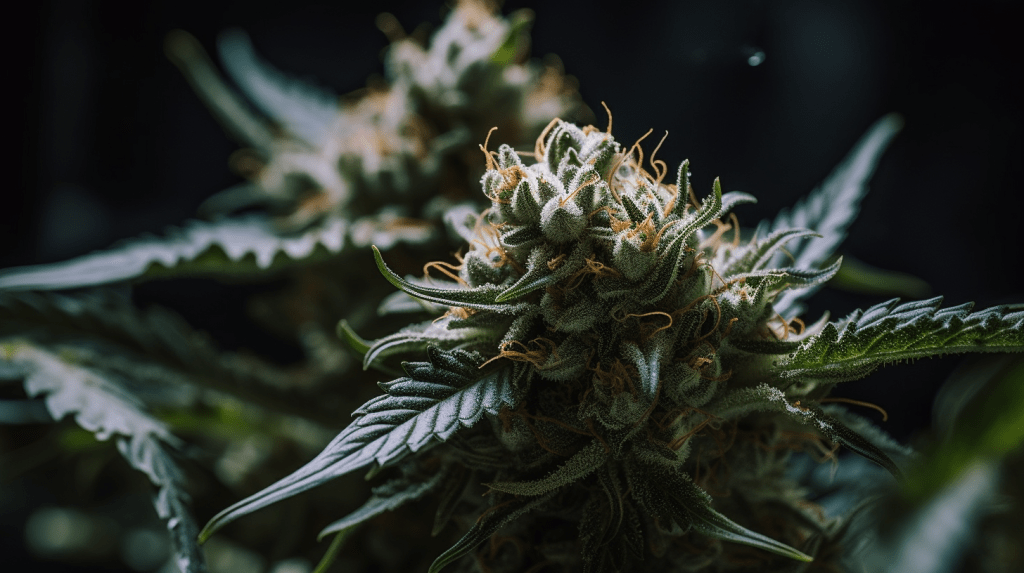
Dopamine and Different Strains: How Your Choice of Weed Matters
Did you know that not all strains of cannabis affect dopamine levels in the same way? Your experience can vary depending on whether you opt for an indica, sativa, or hybrid strain. Sativas are generally known for their energizing effects and are often linked to an increase in dopamine, which can heighten feelings of euphoria and creativity.
On the flip side, indica strains are more likely to induce relaxation and can have a more muted effect on dopamine release. This makes indica strains ideal for users looking to unwind and relax, without necessarily stimulating the brain’s reward system as intensely. Hybrid strains offer a balance of both, giving users a mix of effects depending on the specific strain.
If you’re someone who uses cannabis to enhance focus, motivation, or creativity, you may gravitate toward sativa strains for their ability to influence dopamine release in a way that encourages these activities.
Tolerance and Long-Term Use: The Dopamine Dilemma
As much as we love cannabis, there is a downside to consider, particularly when it comes to long-term use. Frequent cannabis consumption can lead to a decrease in dopamine production over time. When the brain is exposed to regular doses of THC, it can become less sensitive to dopamine, which may require users to consume more cannabis to achieve the same effect. This process, known as tolerance, can make the high feel less intense and may reduce the overall pleasure derived from cannabis use.
It’s also worth noting that heavy, prolonged use of cannabis might affect the brain’s natural dopamine production, potentially leading to mood swings, irritability, or even feelings of depression during periods of abstinence. For this reason, it’s important for regular cannabis users to be mindful of their consumption habits and to take occasional breaks when needed to reset the brain’s reward system.

Dopamine, Addiction, and Cannabis: What You Should Know
When we talk about addiction, dopamine often plays a central role. Substances that dramatically increase dopamine levels—like cocaine or methamphetamine—can lead to addiction because the brain becomes dependent on those spikes of pleasure. But what about cannabis? Is it addictive in the same way?
While cannabis does trigger dopamine release, it’s not considered as addictive as other substances that directly affect dopamine pathways. However, psychological dependence can still occur, particularly in individuals who use cannabis as a way to cope with stress, anxiety, or other emotional challenges. For some, the dopamine boost from cannabis can become a crutch, making it difficult to function without it.
Still, cannabis is widely regarded as having a lower risk of addiction compared to many other substances. The brain’s response to THC and dopamine is less extreme, which helps explain why most people can use cannabis without becoming addicted.
Finding Balance: Mindful Cannabis Use and Dopamine
At the end of the day, understanding how cannabis interacts with dopamine can help you make more informed choices about your consumption. Whether you’re using marijuana recreationally or for medical reasons, it’s essential to recognize the role dopamine plays in your experience.
By being mindful of your consumption habits, you can enjoy the benefits of cannabis without over-relying on its dopamine-boosting effects. Experimenting with different strains, taking breaks, and paying attention to how your brain responds to cannabis can help you find the right balance.
Final Thoughts: Cannabis and Dopamine in Harmony
In conclusion, yes, weed does release dopamine, but the way it interacts with this powerful neurotransmitter is unique. Unlike substances that overwhelm the brain with dopamine, cannabis produces a more subtle and manageable increase. This is part of what makes it both pleasurable and, for many, therapeutic.
Whether you’re using cannabis to unwind, boost creativity, or manage a medical condition, understanding the brain’s chemistry can give you greater control over your experience. So next time you light up, you’ll know exactly what’s happening in your brain—and why that dopamine release feels so good.
Happy smoking!


 CANMO
CANMO 
Leave a reply to Is Cannabis Good for Your Brain? Learn the Facts – CANMO Cancel reply