I’ve often encountered discussions about how cannabis affects various aspects of life. One topic that frequently arises is the relationship between cannabis use and learning. Does cannabis really impact your ability to learn, focus, or retain information? This question is particularly important in a society that increasingly embraces cannabis both for recreational and medicinal purposes.
Q: Does cannabis affect learning?
A: Yes, cannabis can affect learning, particularly by impairing short-term memory and focus, especially with high-THC strains. However, the effects are often temporary and depend on dosage, frequency, and strain.
In this article, we’ll dive into the science behind how cannabis affects learning, memory, and cognitive function. We’ll also explore whether different factors like dosage, frequency of use, and strain can influence the degree to which cannabis impacts your brain. Let’s break down the research and explore what it means for those who enjoy cannabis but are mindful of how it might affect their ability to learn and process information.
How Cannabis Affects the Brain
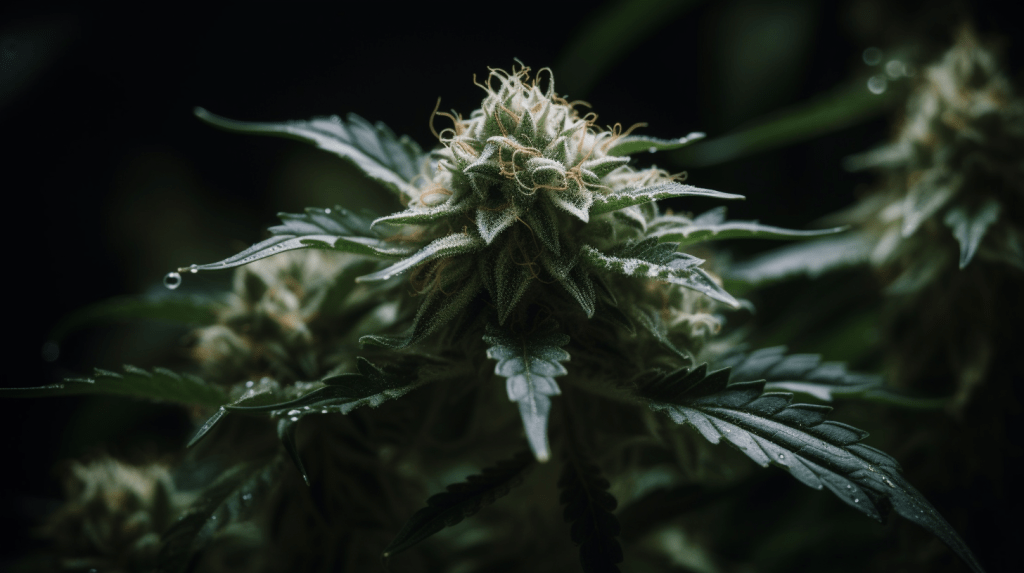
Cannabis primarily affects the brain by interacting with the endocannabinoid system (ECS), which plays a key role in regulating mood, appetite, pain sensation, and memory. The two primary cannabinoids in cannabis, THC (tetrahydrocannabinol) and CBD (cannabidiol), bind to receptors in this system to produce their effects.
- THC: This is the psychoactive compound responsible for the “high” people feel when they use cannabis. THC binds to CB1 receptors in the brain, particularly in regions responsible for memory and learning, like the hippocampus and prefrontal cortex.
- CBD: Non-psychoactive and widely used for therapeutic purposes, CBD has less direct impact on cognitive function than THC, though it interacts with the ECS in ways that can potentially mitigate some of THC’s effects.
The interaction between THC and the brain’s receptors can alter the way neurons communicate with one another. This is why people who consume cannabis may experience changes in mood, perception, and cognitive abilities, including learning.
Read more👉 CBD vs. THC: Understanding the Differences

Short-Term Effects of Cannabis on Learning
The immediate effects of cannabis on learning are largely tied to THC, the psychoactive component. THC can interfere with the brain’s ability to process and store new information.
Studies have shown that people who are under the influence of cannabis may find it harder to retain short-term memories, focus on tasks, or perform tasks that require multitasking or complex problem-solving.
In the short term, cannabis can disrupt how the brain encodes memories, leading to temporary lapses in recall or difficulties with concentration. This is particularly true if the strain consumed is high in THC. Users may find it harder to focus on details, follow instructions, or absorb new information.
However, it’s important to note that these short-term effects are temporary and typically subside once the high wears off. The degree of impact also depends on several factors, including how much THC is consumed and the individual’s tolerance level.
Long-Term Effects of Cannabis on Learning and Memory
When it comes to the long-term effects of cannabis on learning, the research is more complex. Some studies suggest that heavy, prolonged use of cannabis, particularly starting at a young age, can have lasting effects on cognitive function. (The Effects of Marijuana on the Teenage and Young Adult Brain) However, these effects are often mild and may be reversible after a period of abstinence from cannabis.
- Adolescent Use: One of the most concerning areas of research relates to individuals who begin using cannabis heavily during adolescence. The adolescent brain is still developing, particularly in regions like the prefrontal cortex and hippocampus, which are critical for learning and memory. For individuals who begin smoking weed during these formative years, there may be a higher risk of experiencing long-term cognitive changes. (Effects of Cannabis on the Adolescent Brain)
- Adult Use: For adults who begin using cannabis after the brain has fully developed, the risk of long-term cognitive impairment appears to be lower. Most studies suggest that any learning or memory issues associated with cannabis use in adults are reversible. Once cannabis use is reduced or stopped, cognitive function tends to return to baseline levels.(Age-related differences in the impact of cannabis use on the brain and cognition: a systematic review)
The Role of Strain and Dosage
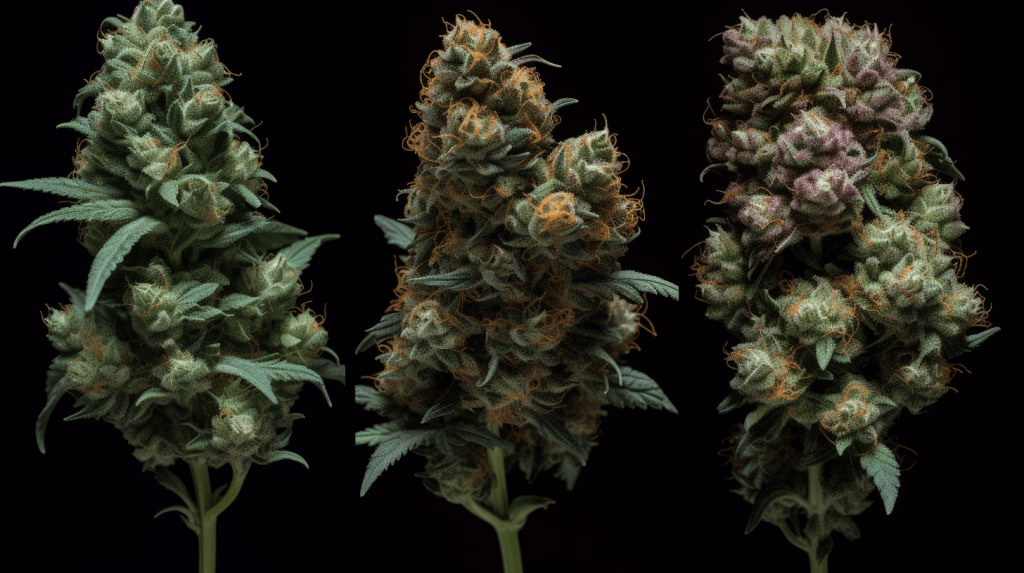
Not all cannabis affects learning in the same way. The strain of cannabis you choose, and the dosage you consume, can have a significant impact on how it affects your cognitive abilities, including learning.
- High-THC Strains: Strains that are high in THC, such as many indica-dominant varieties, are more likely to produce the mental fog and lack of focus that can interfere with learning. THC is known to impair short-term memory and make it harder to retain new information.
- Sativa Strains: Sativa strains, which are often associated with a more energetic and cerebral high, may have a less pronounced effect on learning, especially in lower doses. Some users report that sativa strains enhance creativity and focus, making them ideal for certain types of problem-solving or creative tasks.
- CBD-Rich Strains: Strains with higher levels of CBD and lower levels of THC tend to produce fewer cognitive impairments. CBD is non-psychoactive and is thought to counterbalance some of the effects of THC on memory and focus. As a result, many people who are concerned about how cannabis affects learning opt for CBD-dominant strains.
- Dosage: Even with the same strain, dosage plays a crucial role in how cannabis affects learning. A small amount of THC might only slightly impair cognitive function, while larger doses can have a more noticeable impact. This is especially true for novice users who have not built up a tolerance.

Cannabis and Learning Styles: Is There a Positive Side?
While much of the research focuses on the negative impact cannabis can have on learning, particularly in the short term, there are some potential positive effects depending on the context and learning style.
For example, many people report that cannabis enhances their creativity or helps them think more abstractly. For those engaging in creative problem-solving or brainstorming sessions, a small amount of cannabis may actually help them approach tasks from a new perspective.
Sativa strains, known for their uplifting and cerebral effects, may even promote focus and concentration in certain individuals. However, these effects can vary widely depending on the person, the strain, and the dosage.
The Importance of Responsible Consumption
The key to using cannabis without negatively affecting your learning and cognitive function is responsible consumption. Here are a few tips to keep in mind if you want to enjoy cannabis while minimizing its impact on your ability to learn and retain information:
- Choose Your Strain Wisely: Opt for strains that are lower in THC if you’re concerned about memory and focus. High-CBD strains or balanced hybrids can offer the benefits of cannabis without the heavy cognitive impairment that comes with high-THC strains.
- Mind the Dosage: Less is often more when it comes to cannabis and cognitive function. Start with a low dose and see how it affects you before consuming more. Microdosing is a popular method among people who want the benefits of cannabis without the strong psychoactive effects.
- Time Your Use: If you need to focus on learning, studying, or working, consider using cannabis at a time when it won’t interfere with those tasks. Many people find that consuming cannabis in the evening helps them relax without affecting their productivity during the day.
- Take Breaks: Regular breaks from cannabis can help reset your tolerance and ensure that you’re not over-consuming. If you find that cannabis is affecting your memory or ability to learn, a short tolerance break can often make a big difference.
The Impact of Cannabis on Different Types of Learning
Not all learning is affected by cannabis in the same way. Here are some areas where cannabis may have a more pronounced effect, depending on your consumption habits:
- Verbal Learning: Cannabis use, especially in high doses, can impair your ability to recall words and verbal information. This can make it harder to participate in conversations or remember specific details while under the influence.
- Procedural Learning: Learning new skills that involve muscle memory, like playing an instrument or sports, can also be affected by cannabis, particularly if you’re consuming strains high in THC. The impairment in focus and coordination can make it more difficult to practice or improve at these activities.
- Creative Learning: On the flip side, many people find that cannabis enhances creative thinking. If your learning style involves thinking outside the box or engaging in creative problem-solving, a small amount of cannabis (especially sativa strains) may provide a boost.

Final Thoughts: Can Cannabis Affect Learning?
The relationship between cannabis and learning is complex and depends on many factors, including the strain, dosage, frequency of use, and the individual’s learning style. For some, cannabis may hinder learning and memory, particularly when consumed in high amounts or through THC-heavy strains.
However, for others, especially those who consume cannabis mindfully, the effects can be manageable and, in some cases, even beneficial for creative thinking.
Ultimately, the key to maintaining cognitive function while enjoying cannabis is responsible use. By choosing the right strain, managing your dosage, and being mindful of when and how often you consume, you can enjoy the benefits of cannabis without significantly impacting your ability to learn and retain information.
Happy smoking!



 CANMO
CANMO 
Leave a reply to Can Cannabis Cause Dementia? Know the Facts – CANMO Cancel reply